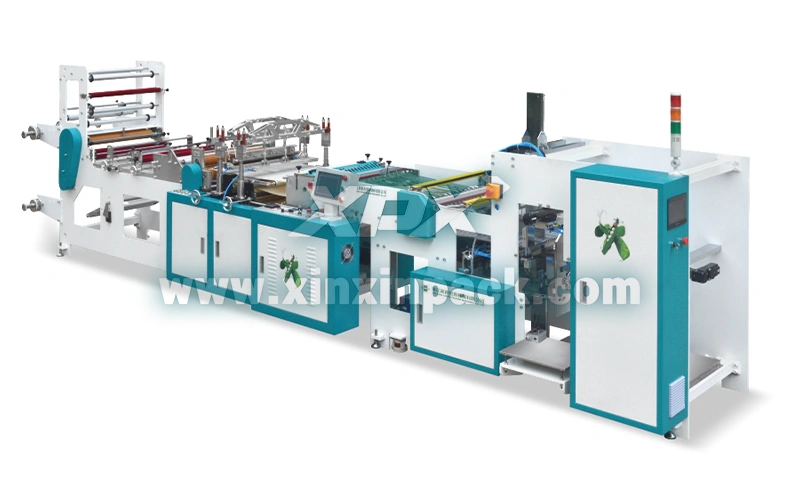
XINXIN's auxiliary equipment series encompasses a wide range of supporting machinery, including edge insertion machines, slitting machines, edge sealing machines, bag sorting and boxing machines, and strapping machines. These form indispensable core modules for achieving fully automated production processes. Unlike the industry's common standalone machines, the new accessory series is designed around the principles of “high integration, intelligent linkage, and modular expansion.” It seamlessly connects with the main production lines of film blowing, printing, and bag making, enabling an integrated production process from film processing to finished bag packaging.
The entire series features stainless steel construction and high-precision servo control systems, ensuring stable operation, extended lifespan, and easy maintenance. Intelligent tension control and automatic web guiding systems guarantee smooth running with minimal deviation while supporting versatile production of multiple bag types and materials.
Equipment speeds reach 120–180 cycles per minute—the industry average—representing a 30%–40% efficiency gain over traditional standalone machines.
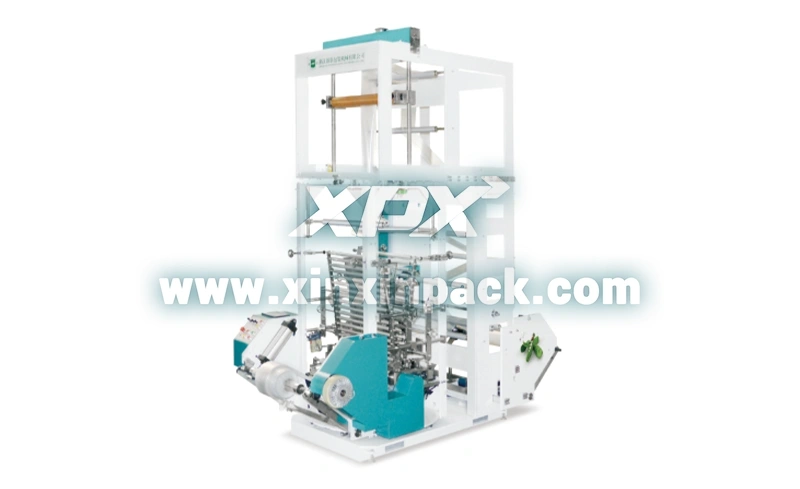
LDPE、POF
Automatically insert side or bottom pleats, is suitable for various bag types
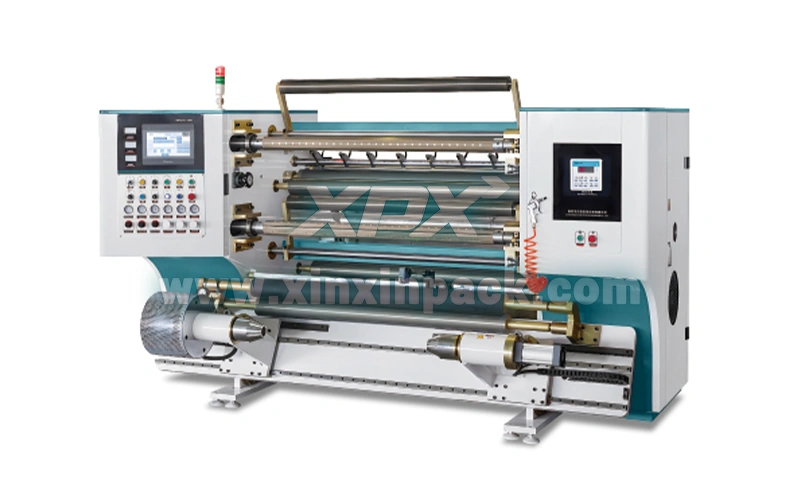
Automatic tension control, edge correction and quick blade change
Suitable for a variety of materials
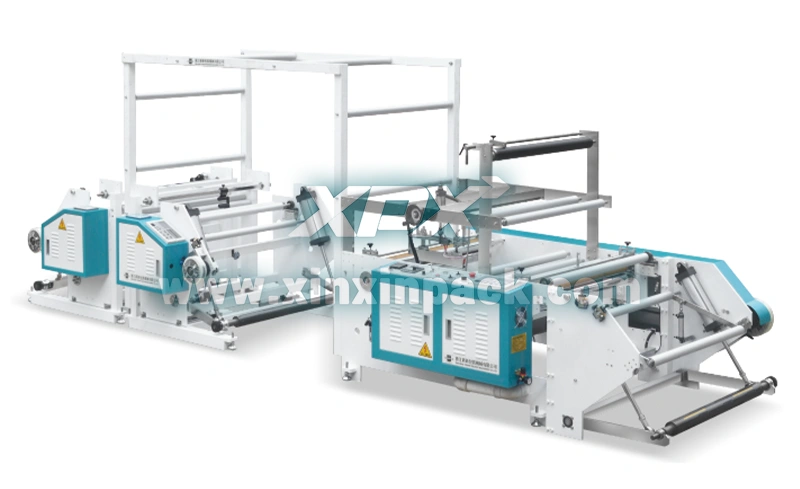
The film edges are heat-fused or heat-welded to improve bag strength and sealing
Suitable for high-requirement packaging.
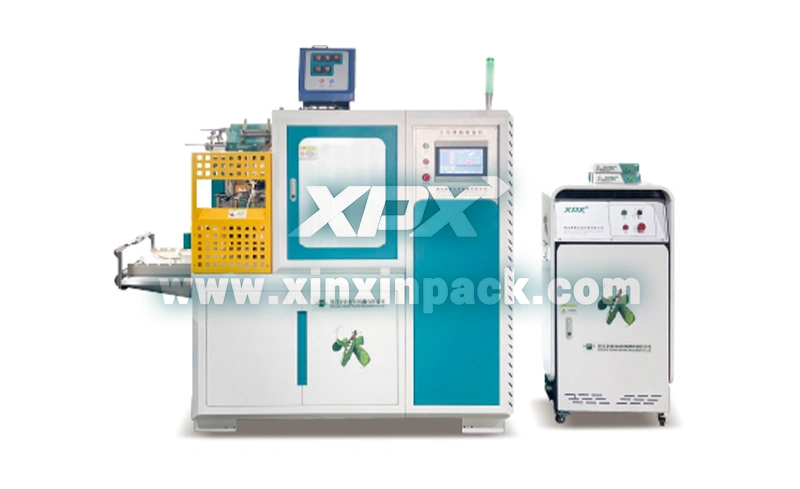
Unmanned Packaging
Significantly Improving End-of-Life Packaging Efficiency
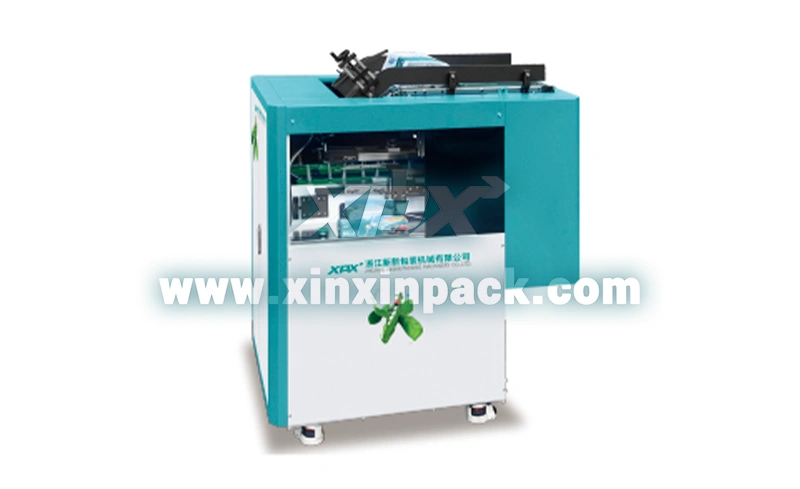
Quick Changeover
High Cost Performance
LDPE
Continuous and efficient production
LDPE
Simple Operation & Labor Savings
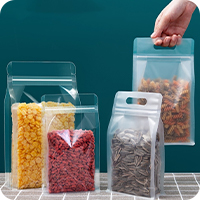


If you're a buyer looking for answers to why eco-friendly materials are reshaping zipper bag production lines, the truth is: it's not just about being "green"—it's about a company's survival, profitability, and future. Having worked in the packaging machinery industry for 15 years, I've witnessed brands fail by ignoring this shift and others thrive by embracing it. Innova Market Insights data shows that 85% of global consumers are willing to pay a 10-20% premium for certified sustainable packaging, and the EU's PPWR regulation will ban non-recyclable zipper bags from the market, with violators facing fines of up to 6% of their annual turnover. For you, this means avoiding hefty fines, tapping into high-growth markets, and building a brand that resonates with modern consumers.

I've spoken with far too many buyers who see sustainability regulations as a burden, not an opportunity for innovation. But this is not the case: the EU's Packaging Materials and Waste Regulation is not a suggestion, but a mandatory regulation that will revolutionize the entire industry. Unlike previous fragmented directives, PPWR has direct legal force in all 27 EU member states, covering every stage of the packaging lifecycle, from material selection to recycling. By 2030, all zipper bags must be 100% recyclable or compostable, and production lines unable to handle single or recycled materials will be phased out.Last year, Xinxin conducted a comparative test with a European snack brand: their original production line incurred an Extended Producer Responsibility (EPR) fee of €820 per tonne, while our customized eco-friendly zipper bag production line reduced these fees by 72% and recovered 15% of the initial production line cost within 18 months. We didn't just make simple adjustments to the machines; we redesigned the entire production process to meet the most stringent PPWR requirements, including PFAS limits and recyclability ratings. For buyers, this is not just about compliance, but about turning regulatory pressure into a competitive advantage.
One of my least favorite things is the claim that eco-friendly materials are "inferior" to traditional plastics—that's pure nonsense. Having tested PLA/PBAT blends, recycled rPET, and sugarcane-based films for years, I've found that modern eco-friendly materials outperform virgin plastics in key areas, provided your production line can handle them. Traditional production lines struggle with eco-friendly materials due to their heat sensitivity and biodegradability, but Xinxin's R&D team has solved this problem by redesigning core components: precise temperature control, an anti-static extrusion system, and modular molds that allow material switching within 20 minutes.Our internal testing confirms this: Xinxin's high-speed eco-friendly zipper bag production line processes PLA/PBAT film at 160 bags per minute with a 99.8% seal consistency—far exceeding the 97.2% of traditional lines. One US organic food customer went a step further: after adopting our production line, their compostable zipper bags obtained ASTM D6400 and EN 13432 certifications, successfully entering the EU market and increasing sales by 42%. Eco-friendly materials are not just "green byproducts"; they are the key to making production lines faster, more efficient, and more flexible.
Sustainable development is not just about using environmentally friendly materials, but about building a zero-waste system. The traditional linear "production-use-discard" model is outdated, and zipper bag production lines must adapt to the concept of a circular economy. I've seen some brands waste 40% of their materials during production; Xinxin's circular and environmentally friendly zipper bag production line solves this problem through online recycling. It can recycle 98% of waste, crushing it and sending it back to the extruder, thus reducing waste and lowering material costs.Take our Chinese e-commerce client as an example. They needed a production line to produce zipper bags from recycled materials. We customized a line for them, using 30% recycled resin and equipped with real-time carbon emission tracking for ESG reporting. The result? Their packaging carbon footprint decreased by 65%, and they received B Corp certification—a 29% increase in consumer trust. For buyers, this means aligning with global brands like IKEA and P&G, which now require 100% recyclable packaging.
The harsh reality is that in the era of environmental protection, one-size-fits-all production lines are no longer suitable. Every industry has its unique needs. Food brands need high-barrier biofilms to extend shelf life, fashion brands need compostable clothing zipper bags that meet EU textile standards, and industrial clients need durable, recyclable zipper bags for logistics. Xinxin doesn't sell machines; we work with our clients to create solutions.A Southeast Asian snack manufacturer approached us, hoping we could provide them with a sugarcane-based bio-zipper bag production line. Our engineers worked on-site for three weeks, optimizing material ratios and calibrating the line, ultimately achieving a zero-breakage rate of 180 bags per minute—20% higher than their target. We even trained their team to adjust parameters for different types of snacks, ensuring product consistency. This wasn't "customer service," it was a partnership. We understand that your success depends on a production line that fits your unique workflow, and that's what we were created for.
The innovation driven by environmentally friendly materials in zipper bag production lines is no accident. It's the result of a combination of market demand for higher-quality products, the planet's desire for higher-quality products, and the mandatory requirements of regulatory requirements for higher-quality products. After 15 years in this industry, I firmly believe that brands that thrive will no longer consider sustainability an optional extra, but rather a cornerstone of their production.Xinxin boasts over 20 years of professional experience, global certifications, and a proven track record of translating environmental material challenges into production success. We don't just build production lines; we're committed to building the future for your business.If you're ready to avoid PPWR fines, reduce costs, and seize a share of the environmentally friendly packaging market, act now. Contact our team for free material compatibility testing and customized production line design solutions.
In the fast-growing flexible packaging industry, efficient, high-precision, and stable printing equipment is the core driver for manufacturers to enhance product competitiveness and optimize production efficiency. XinXin, a professional provider of intelligent packaging printing solutions, has launched a full series of printing machines tailored for flexible packaging production lines, integrating advanced flexographic and gravure printing technologies to help global customers achieve fully automated, inline production from film blowing, printing to bag making. Whether you are engaged in food packaging, daily chemical product bags, medical packaging, or express delivery bags, XinXin printing machines can provide you with customized, labor-saving, and high-efficiency printing solutions that exceed expectations.
XinXin has developed two core printing machine series, flexographic printing machine and gravure printing machine, to meet different production scenarios, printing quality requirements, and substrate compatibility needs.
As the star product of XinXin's flexo printing series, the XX-EP-600 Flexo Printing Machine adopts flexible resin plates as the printing medium, featuring simple structure, easy operation, and ultra-high printing speed up to 600 m/min. It supports 2-6 color continuous printing on a wide range of substrates including plastic film, paper, and non-woven fabric, delivering clear and vibrant printed images. This model is widely used in the production of food packaging bags, diaper bags, shopping bags, labels and other products, and is the most cost-effective and efficient choice for the packaging and printing industry.
For customers with high requirements for printing detail and image quality, XinXin's XX-GG series gravure printing machines are the ideal choice, with two mainstream models to meet different production scales:
XX-GG-600/800 Gravure Printing Machine
.webp)
With a stable printing speed of 120 m/min, this model uses high-precision engraved metal cylinders as the printing medium to achieve high-definition printing of patterns with rich details. It has excellent equipment stability, is suitable for long-term high-speed operation, and is compatible with BOPP, PET, CPP, nylon and other composite film materials. The finished product has a smooth and glossy printing effect, and is widely used in food packaging films, composite films, pharmaceutical packaging, and daily chemical product bags.
XX-GG-1000 Gravure Printing Machine

Designed for high-speed continuous mass production of high-end packaging, this model is equipped with automatic roll changing, electronic shaft synchronization control, and a constant tension closed-loop control system. It maintains high-precision registration and stable printing quality during high-speed continuous operation, and is energy-efficient. It can be used in conjunction with bag-making and laminating equipment, and is the preferred equipment for high-end packaging and printing plants.
What makes XinXin printing machines stand out in the global market is our in-depth insight into flexible packaging production scenarios and the industry-leading performance advantages of our equipment:
Seamless Inline Production for Higher Efficiency
XinXin printing presses can be directly connected to zip-lock bag blown film machines or flatbed blown film machines, and used synchronously with bag-making machines, realizing fully integrated production of blown film, printing, and bag making. It eliminates intermediate winding and handling steps, increasing overall production efficiency by more than 20%.
Ultra-High Precision Multi-Color Printing
Supporting 2-6 color printing configurations, the equipment adopts high-precision color mark photocells and a constant tension control system, achieving a printing registration accuracy of ±0.1mm, ensuring stable pattern registration and vibrant colors, perfectly meeting the printing needs of complex brand logos and multi-pattern packaging.
Wide Compatibility & Broad Application Scenarios
Our printing machines are compatible with PP, PE, BOPP, PET, CPP, nylon, non-woven fabric and other flexible packaging materials, fully covering the flexible packaging needs of food, daily chemicals, electronics, medical, apparel and other industries.
Simple Operation & Easy Maintenance
Equipped with a PLC touch control system, the equipment realizes intuitive operation, automatic tension and drying control, greatly reducing manual intervention. The scientific structural design also facilitates quick daily maintenance, reducing the difficulty of equipment operation and maintenance for enterprises.
Energy-Saving & Environmentally Friendly Design
XinXin printing machines adopt a hot air circulation drying system and energy-saving motor configuration, which realizes fast ink drying while greatly reducing energy consumption, helping enterprises reduce production costs and achieve green production.
Super High Stability & Consistency
The whole machine adopts a thickened steel frame structure and a precision transmission system, which can maintain stable operation of the equipment and consistent quality of finished products even under long-term high-speed printing conditions, effectively reducing the defective rate.
In addition to standard equipment, XinXin focuses on providing personalized customization services for printing machines to meet the differentiated needs of different customers. We support customized adjustments including equipment width, number of color groups, compatible substrates, drying system configuration, etc. Our professional technical team will provide you with a one-stop intelligent printing solution according to your actual production scenarios and specific needs. No matter what special customization needs you have for flexible packaging printing equipment, our industry experts can provide you with targeted professional solutions.
With excellent product performance and professional customized services, XinXin has provided high-quality printing equipment and supporting services for many well-known domestic and foreign enterprises, including SVP India, Ziplock USA GLAD, IKEA, Heng'an Group, Camellia and other industry leaders. We have successfully delivered a number of benchmark projects, including BOPP Casing Tape Project, Non-woven Composite Film Zipper Project (European Eco-friendly Urine Bag Solution), Automated Snap-on Bag Fitting Project, helping customers achieve innovative upgrades from manual to automated production, and gain a stronger competitive advantage in the market.
Yes. We support global export of all accessories and spare parts. With extensive experience shipping to over 80 countries, we ensure efficient logistics to get the required parts to your production line promptly.
Replacement intervals depend on usage, but items like Teflon/Silicon belts or punching blades are typical consumables. We provide maintenance guidelines and these genuine parts are readily available for quick replacement to minimize downtime.
We use high-grade materials: high-temperature resistant Teflon for sealing belts, durable engineering plastics for reels, and precision-hardened steel for punching tools to ensure durability and consistent performance.
Absolutely. Our accessories, from punching units to film width controllers, are precision-engineered to match our machinery models, guaranteeing seamless integration and maintaining original equipment specifications.
Yes. Using our genuine accessories like Teflon belts and silicone belts ensures perfect fit, optimal performance, and long-term reliability for your zipper bag production line, protecting your investment.
Zippers are typically attached to non-woven fabric using ultrasonic welding or heat sealing, creating a strong, clean bond without the need for stitches or glue.
Many non-woven fabrics are washable, enhancing their reusability. The zipper closure also allows the bag to be sealed to keep contents clean.
Yes. They are ideal for high-quality silk-screen or digital printing, allowing for full-color, detailed brand logos and graphics for marketing purposes.
Non-woven fabric is durable, reusable, breathable, and offers excellent printability, making it a popular sustainable alternative to single-use plastic bags.
They are widely used as reusable shopping bags, promotional gift bags, packaging for clothing and shoes, and eco-friendly retail carry bags.
Yes. The handle is designed and reinforced (e.g., with patches or welding) to carry substantial weight, making it suitable for books, shoes, or multiple items.
They are made from thicker-gauge PE, PP, or laminated films for durability. Non-woven fabric is also a popular, eco-friendly material choice.
Benefits include easy carrying, secure zipper closure to protect contents, and a sophisticated appearance that enhances product value and brand image.
They are used for premium apparel, electronics, gifts, cosmetics, and high-end retail packaging where presentation and reusability are valued.
It's a premium bag featuring a punched or welded carry handle integrated with a zipper seal, combining convenience, security, and a upscale look.
In dedicated production lines, the zipper profile is extruded and heat-sealed to the film inline. Standalone machines can also attach pre-made zipper tape.
Bags made from a single material (like pure PE or PP) are more readily recyclable in dedicated streams, supporting sustainability goals.
Absolutely. Both PE and PP films accept high-quality flexographic or gravure printing, allowing for vibrant custom branding and product information.
PE bags (LDPE) are softer and more flexible, while PP bags are crisper, offer higher clarity, and have better moisture barrier properties.
They are excellent for packaging dry foods, stationery, small hardware, and non-food items where a reliable, resealable closure is needed.
They are often made from clear or printed LDPE film, providing good visibility of the product and sufficient strength for baked goods or produce.
Yes. Wicket bag makers are designed for continuous, high-speed production and automatic collection, making them perfect for high-volume items like bread bags.
The bag making machine automatically stacks finished bags and inserts a metal or plastic wicket through the holes, forming a neat, portable bundle.
They allow for quick, one-at-a-time dispensing at the point of sale (like bakeries or supermarkets), improving efficiency and customer service.
A wicket bag is a bag with pre-punched holes, collected on a "wicket" or rod. Used for bread, fruits, frozen foods, and hardware for easy dispensing.
Yes. Their consistent structure and easy-open mouth make them well-suited for automated filling and closing processes in various industries.
They are commonly made from HDPE or LDPE, chosen for their strength, flexibility, and cost-effectiveness for disposable or reusable carry bags.
Yes. A common variant is the "patch handle" bag, where a reinforcing patch is applied at the draw tape area to prevent tearing under heavy weight.
The draw tape allows the bag to be securely cinched closed and provides built-in handles for easy carrying, even for heavier loads.
They are ideal for supermarket shopping, produce packaging, garbage collection, and industrial liners, where a secure, drawstring closure is needed.
They are typically made from soft, flexible LDPE film, which provides good tear resistance and a protective barrier for the hygiene products inside.
Yes. They can be adjusted to produce various sizes, accommodating different diaper counts (e.g., packs of 10, 20, or 30) from baby to adult sizes.
Diaper manufacturing runs at very high speeds, requiring equally fast and reliable packaging lines to match the primary production without causing delays.
Diaper bags often feature a die-cut handle (Euro-style handle), a hanging hole for retail display, and high-speed production capability.
It's designed to efficiently produce the soft plastic packaging bags used for baby diapers, adult incontinence products, and sanitary napkins.
They offer a premium, functional unboxing experience. High clarity and quality printing on zipper bags directly boost product appeal and brand perception.
After-sales issues
Pre sales issues
Customized issues

Environmentally friendly materials
Integrated production lines
Maximising your return on investment