


 中文
中文 English
 Español
Last summer, a mid-sized flexible packaging converter in Ohio watched its monthly electricity bill climb for the fifth straight month. The real sting, though, wasn’t just the utility invoice—it was the 11 hours of unscheduled downtime that same month, almost all triggered by web breaks and misregister on thin LDPE film. The culprit? An aging drying system working overtime, and a mechanical tension clutch that simply couldn’t keep up.
That story is far from unique. Across North America and Europe, converters running high-speed roll-to-roll lines are caught between the pressure to lower operating costs and the absolute necessity of holding hair-thin tolerances on stretchable substrates. The conversation, increasingly, doesn’t start with “which press brand” but with “how do we stop bleeding cash through the dryer and the waste bin?”
When margins are tight, it’s tempting to focus on throughput—run faster, produce more. But in practice, a 3% gain in line speed can be wiped out by a single tension excursion that introduces 300 meters of unusable laminate. According to a 2023 Smithers report on the flexible packaging market, energy now accounts for up to 15% of total operating expenses for many converters, while material waste—often driven by poor web handling—eats another 5–8%. Together, they can represent the difference between a healthy EBITDA and a break-even quarter.
The root cause usually sits in two interconnected systems: the drying section and the tension control loop. Traditional thermal drying ovens, still common on many lines, consume enormous amounts of electricity or gas to evaporate solvents or water. At the same time, purely mechanical tension regulation—clutches, dancing rollers with limited feedback, manual adjustments at unwind and rewind—struggles to compensate for the rapid acceleration and deceleration cycles of modern production. The result is a cycle of energy waste, creasing, and color-to-color misregister that forces operators to slow down, not speed up.
Here’s where the numbers become compelling. RadTech Europe, in a 2022 field study of narrow- and mid-web printing operations, found that switching from thermal drying to UV LED curing can reduce the energy consumed in the drying process by 40–60%. Unlike hot air ovens that must heat the entire web and a large volume of air, UV curing targets only the ink film, polymerizing it almost instantly. There’s no warm-up time, no solvent abatement system constantly running, and no need to cool the substrate afterward.
For a converter running two shifts a day, that translates into tens of thousands of dollars saved annually on electricity alone—before counting the reduction in scrap. One European label and flexible packaging plant, after retrofitting its narrow-web line with UV LED arrays, reported a 45% drop in energy cost per square meter within the first six months.
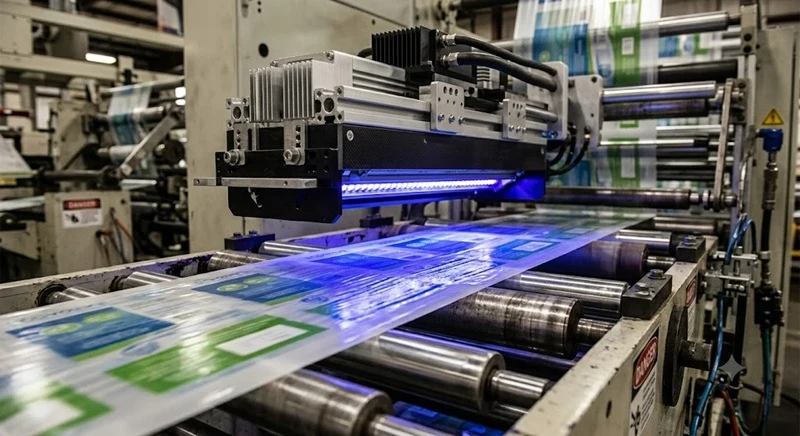
Equally important, the absence of intense heat dramatically reduces substrate distortion. Films like 12-micron PET or thin-gauge shrink sleeve material are notoriously sensitive to temperature; pull them through a 70°C drying tunnel and they can stretch, shrink, or lose their surface treatment. UV curing keeps the web thermally stable, making it significantly easier for the tension system to do its job.
If UV solves the energy half of the puzzle, modern closed-loop tension control solves the waste and quality half. Mechanical systems can maintain a rough average tension, but they cannot react in real time to disturbances—a slightly eccentric unwind roll, a change in ambient humidity that alters film friction, or the sudden inertia shift as a new roll is spliced in. Servo-driven tension control, by contrast, uses load cells or dancer position sensors to continuously feed data back to a motion controller, which adjusts torque on the unwind and rewind motors within milliseconds.
The practical impact on register is immediate and measurable. The ISO 12647-2 standard for process control in graphic technology specifies tight chromatic deviation limits; holding those limits on a flexible film at 300 m/min demands that longitudinal tension stays within a narrow window. With a high-resolution servo tension setup, operations that previously saw ±5% tension fluctuation can now hold ±1% or better. The difference shows up not just in fewer web breaks but in consistent dot gain and color across the entire repeat length.
For teams exploring how to get these benefits without a complete line replacement, presses with integrated servo tension control are worth examining. Many modern configurations allow the tension loops to be tuned per substrate recipe, so an operator can switch from 20-micron BOPP to heavy paperboard with a single recipe recall. That reduces setup waste dramatically—often by more than 40% on job changeovers.
When UV curing and intelligent tension management are deployed together, their benefits multiply. A thermally stable web is inherently easier to control at high speed, which means the tension system operates at a lower gain and consumes less energy itself. Less energy into the dryer, fewer amps into the motors. Less stretch, fewer registration errors. The result is not just a lower utility bill but a higher percentage of saleable output from every master roll.
A real-world example (anonymized from an industry white paper): a converter producing retort pouches was losing approximately 2.7% of its total material to web breaks and misregister-related waste each month. After upgrading to a hybrid UV and servo tension platform, waste fell to 0.8% within two quarters. The combined energy and material savings delivered a payback on the upgrade in under 18 months—faster than the company’s original three-year projection.
For those not ready to replace an entire line, retrofitting an existing press with closed-loop tension control modules can be a pragmatic entry point. Load cell kits and servo drives from several manufacturers can be integrated into older frames, immediately improving web stability while keeping the main press infrastructure intact. Even a partial modernization often delivers enough reduction in waste to justify the investment.
Even the best equipment degrades if small things are ignored. Based on conversations with maintenance engineers across half a dozen converting plants, three preventive steps consistently top the list:
Validate load cell calibration monthly. A drifted load cell might report 100 N of tension while the true value is 115 N—enough to distort thin films. Use a certified weight kit and record the deviation trend.
Clean idler rollers aggressively. Ink mist, dust, and static buildup change the effective coefficient of friction. A roller that grips the film unevenly will induce tension spikes no control system can fully dampen.
Monitor UV lamp output weekly. LED arrays degrade slowly; a 15% drop in irradiance will require slower line speeds to achieve full cure, eating into the energy-saving advantage. Built-in radiometers make this check trivial.
The next evolution is already appearing at trade shows: fully integrated digital platforms that unify UV cure energy monitoring, tension analytics, and predictive maintenance alerts into one dashboard. Instead of reacting to a web break, the system will detect an emerging trend—say, a gradually increasing torque ripple on the unwind motor—and recommend maintenance before any product is affected. Combined with UV LED arrays that can adjust output zone by zone, these smart lines promise to cut total energy consumption by another 15–20% while pushing waste ever closer to zero.
For a converter who wants to future-proof its operation against rising electricity prices and increasingly demanding brand-owner sustainability targets, now is the moment to evaluate platforms that treat energy efficiency and web stability as a single, integrated design challenge rather than separate afterthoughts. When both functions speak the same digital language, the whole becomes greater than the sum of its parts.
If you’re mapping out your next upgrade cycle or simply need benchmark figures on what a truly energy-efficient and stable roll-to-roll line can achieve, Xinxin’s integrated configuration and real-world performance data offer a concrete starting point. The right decision rarely requires a leap of faith—just a clear-eyed look at the kilowatt-hours and waste logs.
Disclaimer: This article is for informational purposes only and does not constitute engineering or operational advice. All performance figures cited from third-party studies (Smithers, RadTech Europe) are publicly available and referenced in good faith. Individual results vary based on equipment configuration, substrate, and operating conditions. Consult a qualified equipment supplier and perform a site-specific assessment before making investment decisions.
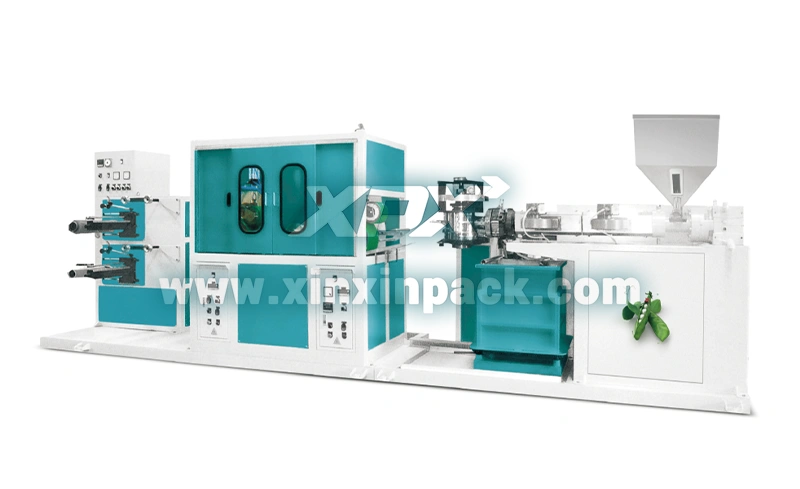

Environmentally friendly materials
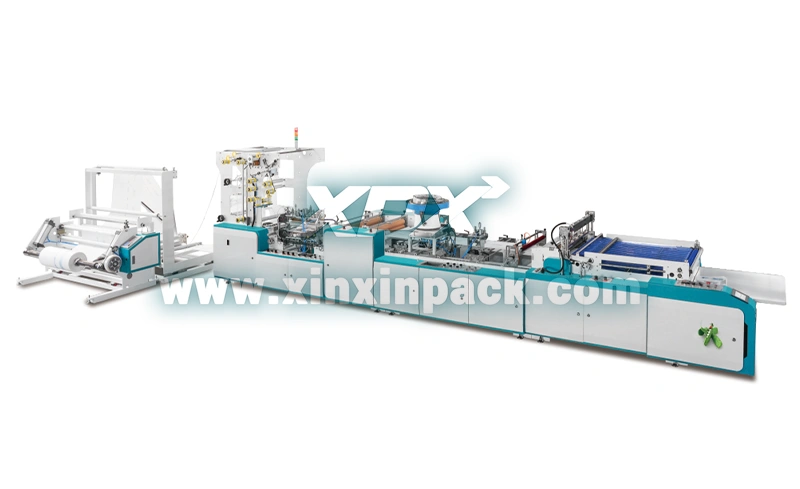
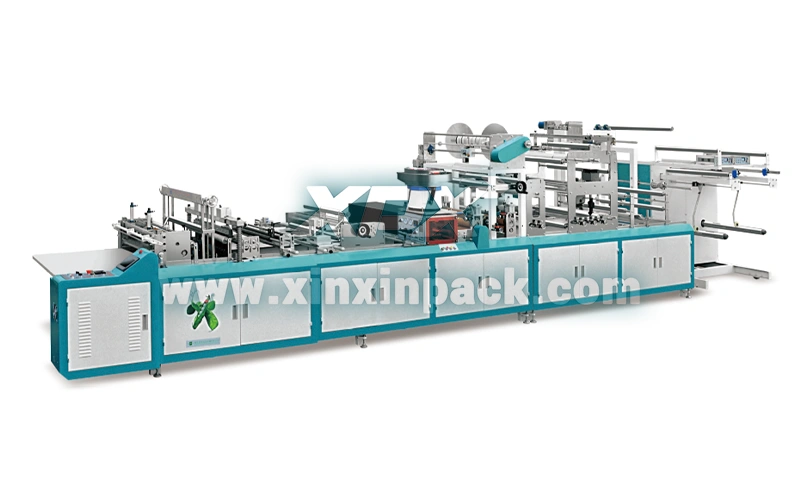
Integrated production lines
Maximising your return on investment