


 中文
中文 English
 Español
The output speed of a zip‑lock pouch workflow is not determined by a single machine specification. It is the result of interaction between material properties, equipment configuration, process parameters, and operator practices. In practical terms, most production lines achieve sustainable speeds between 120 and 220 pouches per minute, but the actual number depends on multiple variables that buyers and production managers must evaluate together.
This article breaks down each major factor so you can understand what really drives—or limits—your zipper bag production speed.
The material you run through your line is the first and most fundamental speed determinant. Different polymers behave differently during extrusion, sealing, and cutting.
| Material | Characteristics | Impact on Speed |
|---|---|---|
| LDPE | Good melt strength, easy sealing | Generally supports higher speeds |
| LLDPE | Higher tear resistance, requires more heat | May require slower sealing cycles |
| HDPE | Stiffer, higher melting point | Needs precise temperature control |
| PP | Higher heat seal temperature | May reduce maximum speed |
| PE/PP Composite | Multi-layer behavior | Speed depends on layer compatibility |
| Non-Woven | Different sealing mechanism (ultrasonic) | Speed limited by sealing method |
| Multi-layer Co-extruded Film | Complex layer structure | Requires careful process tuning |
The material directly affects:
Heat sealing time – thicker or higher-melting-point materials require longer sealing dwell time, which reduces cycle speed
Film stability – materials with poor melt strength can cause film breakage at higher speeds
Zipper attachment – some materials bond more readily to zipper profiles than others
Buyer's note: When evaluating equipment, always confirm the machine's speed rating for your specific material—not just for standard LDPE.
The equipment itself has inherent speed limitations based on its design and components.
The primary bag making machine determines the baseline speed of your workflow. Key specifications include:
Maximum mechanical speed – typically stated in pieces per minute (e.g., 120–220 pcs/min for standard models)
Bag width capacity – wider bags generally run slower due to longer sealing and cutting distances
Sealing system type – hot knife vs. impulse sealing vs. ultrasonic sealing, each with different cycle times
Drive system – servo-driven machines offer better speed control and stability compared to traditional mechanical drives
The ZIP-500L model, for example, offers a speed range of 30–180 pcs/min with a 500mm bag width, while the automatic production line variant reaches 50–220 pcs/min. This illustrates that even within the same product family, configuration choices affect the speed range.
Review the available zipper bag making machine configurations to understand how different specifications affect your target output.
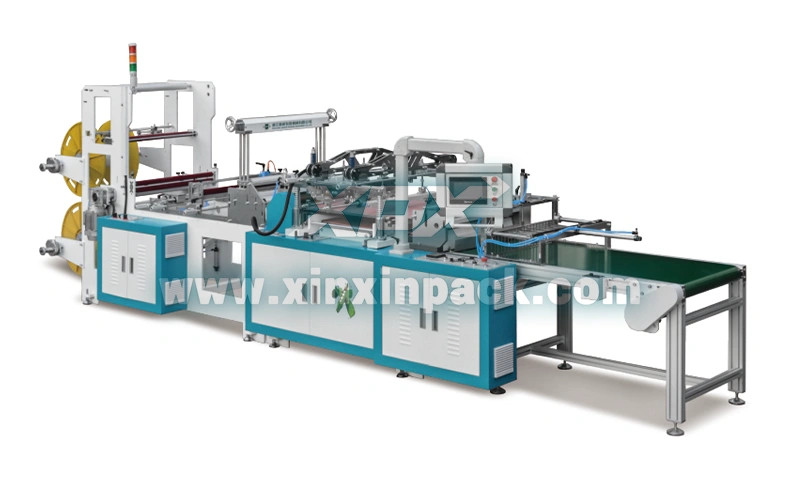
A zipper pouch workflow typically includes:
text
Film Blowing → Printing → Slitting → Bag Making → Bag Packing → Boxing
The overall output speed is constrained by the slowest link in this chain. Key integration factors include:
Inline vs. offline – inline configurations (blown film directly feeding the bag maker) eliminate intermediate winding steps and can increase overall efficiency by over 20%
Tension control – inconsistent tension between machines causes web breaks and slows production
Automatic roll changing – reduces downtime between film rolls
Downstream equipment such as bag sorting machines, boxing machines, and bundling machines must match the bag maker's output. For example, the TPL-600INS automatic zipper bag packing machine operates at 30–180 pcs/min—if your bag maker runs at 200 pcs/min, the packing line becomes the bottleneck.
Even with the best materials and equipment, incorrect parameter settings will limit speed.
Extrusion temperature – affects film quality and consistency
Sealing temperature – too low causes weak seals; too high causes film distortion or sticking
Cooling efficiency – inadequate cooling forces slower speeds to allow proper setting
Modern systems with precise temperature control can maintain higher speeds more consistently.
Film tension must be carefully managed throughout the workflow. Key considerations:
Consistent tension prevents wrinkles and misalignment
Automatic web guiding maintains film position during high-speed operation
Tension control systems reduce breakage and allow higher sustained speeds
The sealing and cutting cycle is often the most time-sensitive operation in bag making:
Sealing dwell time – must be long enough for proper bond formation
Cooling time – seals need to cool before cutting or stacking
Cutting accuracy – higher precision may require slightly slower operation
Equipment with ±0.5mm finished product dimensional error can maintain both speed and quality when properly tuned.
Equipment performance is only as good as the people operating and maintaining it.
Setup time – skilled operators complete changeovers faster (the system can cut setup time by 50% with proper training)
Parameter adjustment – knowing which settings to adjust for different materials or bag sizes
Problem recognition – early detection of issues prevents slowdowns and stoppages
Regular maintenance directly affects sustained speed:
Daily checks – sealing elements, tension systems, and guide rollers
Weekly inspections – drive systems, heating elements, and cooling systems
Preventive replacement – of wear parts before they cause failures
Well-maintained equipment can achieve 98.5% continuous operation stability, while neglected lines experience frequent unscheduled stops.
Not all zipper bags are created equal. Design features that affect speed include:
| Design Feature | Speed Impact |
|---|---|
| Simple flat bag | Fastest |
| With zipper attachment | Moderate reduction |
| With bottom gusset | Additional operation, slower |
| With embossing | Extra step, slower |
| With handle or hanging hole | Additional punching step |
| Multi-color printing | May require registration adjustments |
Customized bag types—bottom insertion, embossing, specific colors, and printing content—all add processing steps that reduce overall throughput.
External conditions also play a role:
Ambient temperature – affects cooling efficiency and material behavior
Humidity – can affect film static and sealing quality
Power supply stability – voltage fluctuations affect servo and heating systems
Floor space – influences workflow layout and material handling efficiency
Use this checklist when evaluating your current or planned zipper pouch workflow:
| Factor Category | Typical Speed Impact | Controllability |
|---|---|---|
| Material selection | High (10–30% variation) | Medium (material choice) |
| Machine configuration | Very High (20–50% variation) | Low (equipment purchase decision) |
| Process parameters | Medium (5–20% variation) | High (adjustable) |
| Operator skill | Medium (5–15% variation) | High (training) |
| Maintenance | Medium (5–20% variation) | High (practice) |
| Bag design | Medium (5–25% variation) | Medium (design choice) |
| Environmental | Low (0–10% variation) | Low to Medium |
Q: What is the typical output speed range for a zipper bag making machine?
A: Standard machines typically operate in the range of 30–180 pouches per minute for general production, while high-performance automatic lines can reach 50–220 pouches per minute. Actual speed depends on material, bag size, and configuration.
Q: Does using LDPE always give the fastest production speed?
A: Not necessarily. While LDPE generally processes well at higher speeds due to its good melt strength and sealing characteristics, the specific formulation, thickness, and additive package all affect performance. LLDPE may offer better strength but often requires adjusted sealing parameters that can reduce speed.
Q: How does bag width affect production speed?
A: Wider bags typically run slower because sealing bars need to travel further, and cutting mechanisms require more time. A machine rated for 500mm width may run faster with narrower bags.
Q: Can I increase speed by upgrading just the bag making machine?
A: Only if the rest of the workflow can keep up. The overall line speed is determined by the slowest component. Upgrading the bag maker without matching upstream film supply or downstream packing capacity will not improve total output.
Q: How much can operator training improve production speed?
A: Proper training can significantly reduce setup time—systems with smart PLC/servo controls and one-touch operation can cut setup time by up to 50%. Skilled operators also identify and resolve issues faster, reducing unplanned downtime.
Q: What is the most common bottleneck in zipper pouch workflows?
A: The sealing and cutting station is often the bottleneck, as it requires precise timing for proper seal formation. Downstream packing and boxing operations are also frequent bottlenecks if not properly speed-matched to the bag maker.
The output speed of a zip‑lock pouch workflow is determined by a combination of material choice, equipment configuration, process parameter settings, operator skill, and maintenance practices. No single factor dominates—the actual speed you achieve will be the result of how well all these elements work together.
Key takeaways:
Match your equipment speed rating to your actual production materials, not just ideal conditions
Ensure upstream and downstream equipment are balanced to avoid bottlenecks
Invest in operator training and preventive maintenance—they deliver consistent returns
Account for bag design complexity when setting speed expectations
Before committing to a new production line or upgrading existing equipment, review the available zipper bag making machine configurations to understand how different specifications affect your target output speed. For specific material and production requirements, discuss your needs with the equipment supplier to confirm achievable speeds under your actual operating conditions.
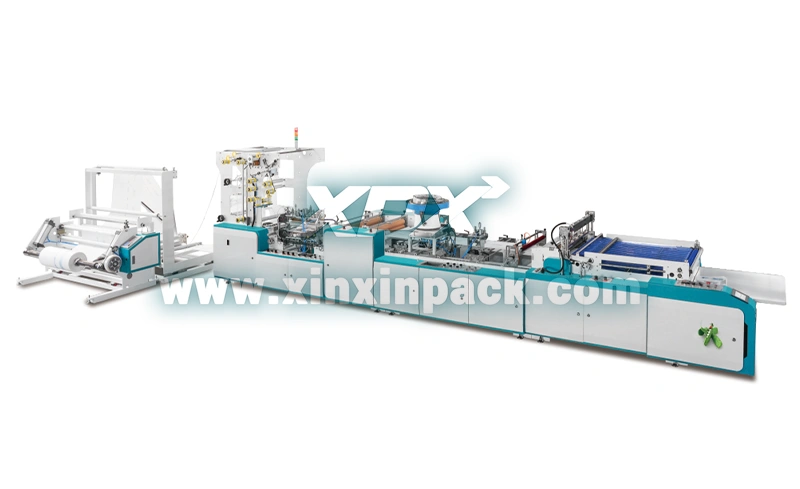
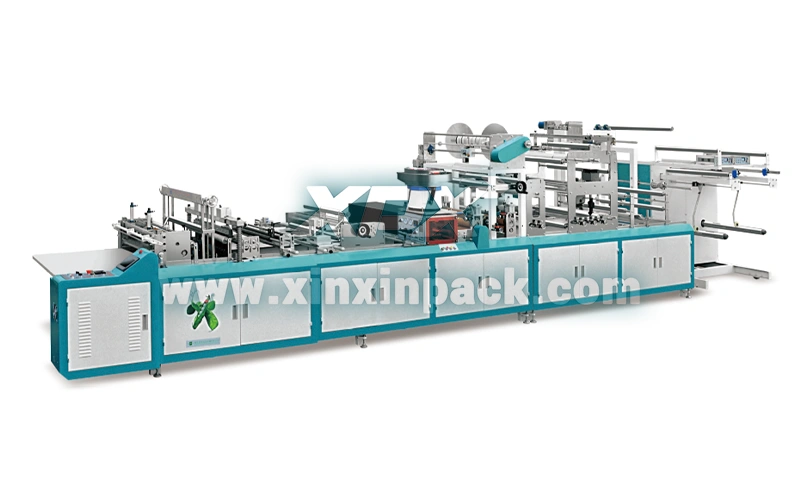
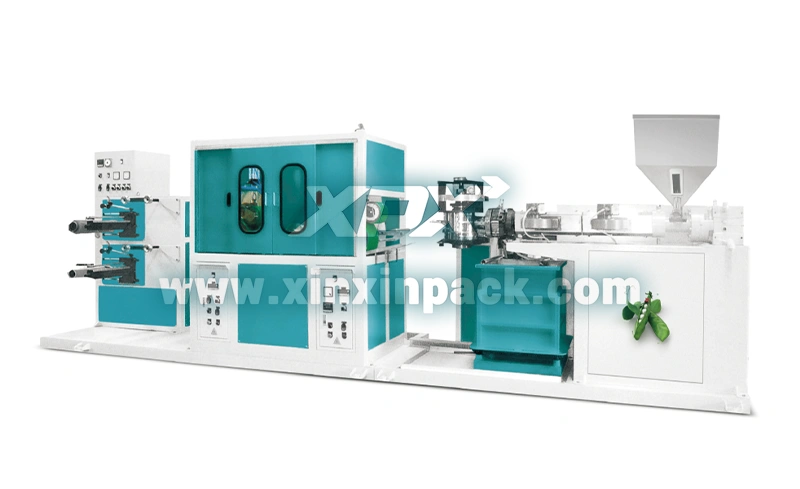

Environmentally friendly materials
Integrated production lines
Maximising your return on investment