


 中文
中文 English
 Español
If your flexible packaging operation is struggling to keep up with orders, you are not alone. A recent Smithers report, The Future of Flexible Packaging to 2026, projects the market to cross $270 billion, with zippered formats like stand-up pouches growing faster than any other segment. Yet many production managers privately admit that their actual output barely reaches 70% of the line’s nameplate capacity. The disconnect shows up in a familiar scene: a skilled operator standing over a machine, frowning at a stack of pouches with crooked zippers or weak corner seals, while the waste bin fills up and the shipment deadline looms.
Often the root cause isn’t a lack of effort—it’s a mismatch between the demands of high-speed zippered packaging and the tools running the job. If you are still running a conventional zipper bag making machine that wasn’t designed for today’s material structures and throughput targets, these pain points are practically built in. The good news is that output efficiency can be transformed by focusing on five specific areas—no major capital expenditure required at the outset.
Before diving into the fixes, it helps to review the foundation: many converters have already turned to advanced pouch converting systems that embed the following solutions right out of the box. Whether you are upgrading now or later, understanding these levers puts you in control.
1. Precision Film Unwinding and Tension Control
Inconsistent web tension is the silent killer of zipper pouch throughput. When the inner and outer plies of a multi-layer laminate feed at slightly different speeds, the zipper profile gets skewed relative to the pouch edge. You end up stopping the line to realign, scrap every second bag, or—worst of all—ship pouches that fail on the customer’s filling line.
Move from a purely dancer-arm tension setup to a closed-loop, servo-driven unwinding system. Encoder feedback lets the unwind motor compensate for roll eccentricity in real time, while load cells at key idlers keep the web strain within ±1% of the setpoint, even during splice cycles. A mid-sized snack brand implemented this change and watched its zipper alignment rejects drop from 8% to under 0.5% in three weeks.
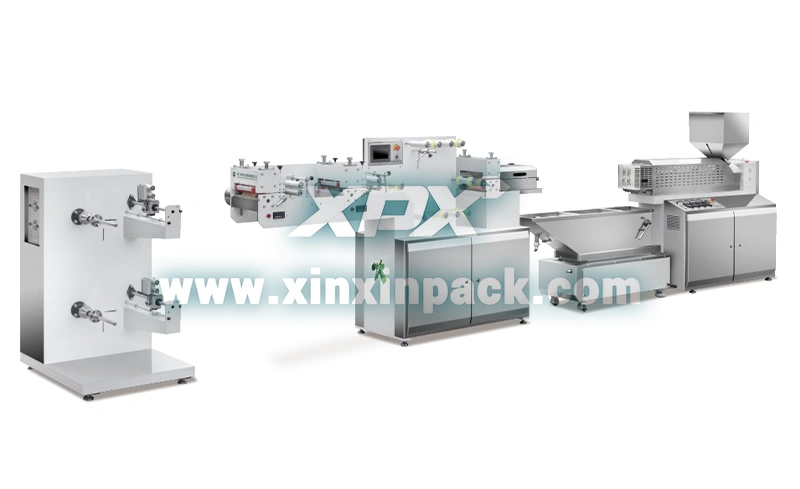
For converters seeking to embed such capability directly into their process, many modern lines now offer precision film handling integrations that eliminate the need for time-consuming retrofits.
2. Ultrasonic or Vision-Guided Zipper Placement
Manually setting zipper guide rails every time you change bag width is not only slow but invites operator-to-operator variability. A more robust approach uses ultrasonic sensors or a high-contrast vision system to detect the edge of the zipper tape on the fly. The controller compares the tape position with the pouch edge and instructs a steering actuator to maintain alignment within 0.2 mm—even at speeds above 100 cycles per minute.
One operation we spoke with slashed its changeover time from 45 minutes to under 12 minutes simply by moving to an automatic zipper alignment workflow. Fewer adjustments meant the line could run an extra production hour every shift.
Once the zipper is perfectly placed, the next hurdle appears: sealing it without burning the film.
3. Multi-Zone Temperature Profiling for Sealing
A single temperature setpoint across the entire sealing bar is rarely optimal. The area around the zipper insertion acts as a heat sink, pulling energy away from the perimeter seal. A more intelligent approach divides the sealing tool into independent zones—cross-seal, side-seal, and zipper-tack zones—each controlled by a dedicated PID loop with thermocouple feedback.
When combined with dwell-time adjustments based on the film structure (e.g., PET/PE vs. Nylon/LLDPE), this method can raise seal strength by 20–40% while dropping the scrap rate caused by burnt seals. The ASTM F88 peel test becomes a reliable quality gate, not a source of Monday-morning panic.
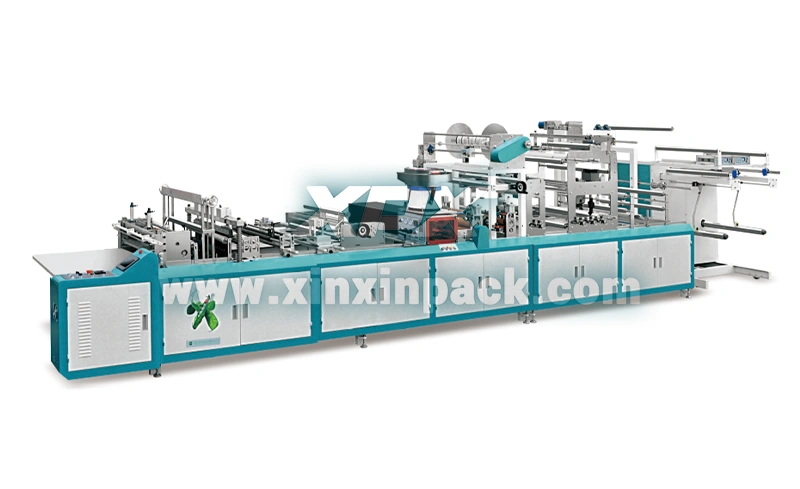
This level of control is especially critical when you plan to run a zipper bag making machine at its upper design speed. Without granular temperature management, the heat seal becomes the bottleneck that caps your entire output, no matter how fast the servo drives move.
4. Structured Preventive Maintenance, Not Reactive Firefighting
Efficiency gains evaporate if the line is down for unplanned repairs twice a week. Moving from reactive to calendar- and cycle-based maintenance preserves output. Create a tiered checklist:
Daily: Clean zipper guide channels, inspect silicone rubber condition on sealing bars, verify air pressure to the zipper insertion cylinder.
Weekly: Check servo motor couplings for backlash, run a frequency analysis on vibration-prone bearings, and flush the hot-air nozzle if applicable.
Monthly: Replace wear strips, recalibrate load cells, and audit the HMI for alarm log trends that signal degrading components.
Plants that adopt this rhythm commonly report a 10–15% boost in overall equipment availability within six months.
5. Data-Driven OEE Management
If you can’t measure it, you can’t improve it. Many modern pouch lines can output cycle-by-cycle data via OPC-UA or MQTT to a plant dashboard. The key metric is not just the number of pouches produced per minute, but the real OEE: Availability × Performance × Quality. One converting plant discovered that 30% of its downtime was due to “micro-stops”—jams clearing in under a minute that were invisible on shift reports. Connecting sensor data to the MES revealed a pattern of zipper tape curl appearing after 40,000 cycles, pointing to a worn guide bushing that cost just $15 to replace.
When you combine all five strategies, the effect is synergistic. Better tension control reduces zipper misplacements. Automated zipper placement cuts changeover time. Zoned sealing turns out stronger pouches with fewer rejects. And predictable maintenance keeps the system running long enough to collect the data you need for the next round of improvement.
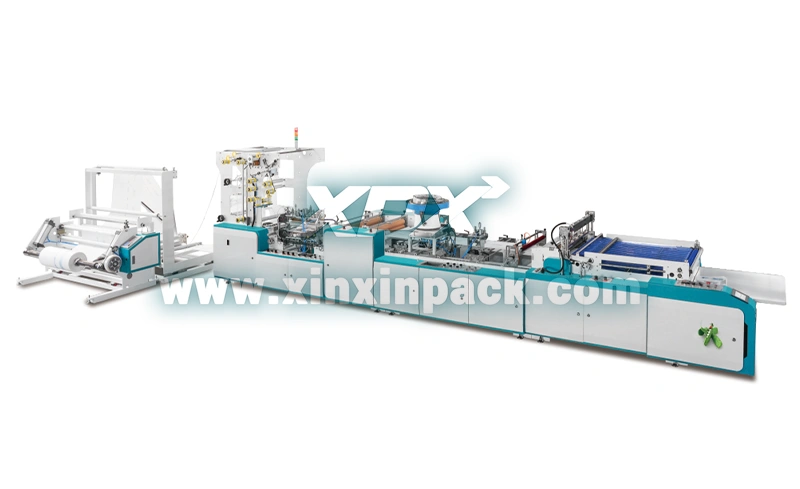
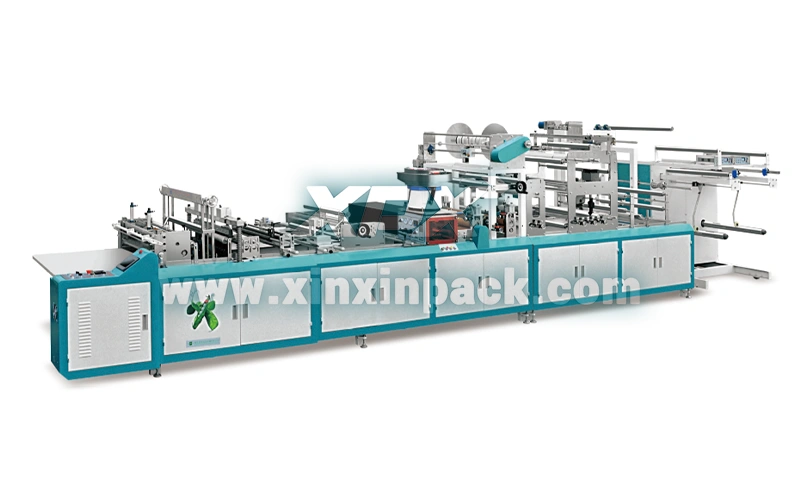
Of course, upgrading an existing line is one path. If you are evaluating a fresh investment to future-proof your packaging capacity, the conversation shifts toward systems that have these efficiency-boosters integrated at the design stage. This is where a specialized partner becomes valuable. Xinxin has developed a portfolio of pouch converting solutions built around high-precision servo drives, rapid changeover tooling, and intuitive OEE monitoring—addressing the exact bottlenecks covered above. Click here to explore Xinxin’s customizable high-output solutions and see how their engineering aligns with the principles of lean converting.
Even the most rugged zipper bag making machine will eventually reach its economic limit. The market’s appetite for zippered packaging isn’t slowing down, and neither should your line. By methodically applying these five strategies—and matching the hardware to the task—you can escape the low-efficiency trap and deliver the output your customers are waiting for.
References: Smithers, “The Future of Flexible Packaging to 2026”; ASTM F88 Standard Test Method for Seal Strength of Flexible Barrier Materials. All customer examples are anonymized to respect confidentiality. This content is for informational purposes; specific results will vary based on operating conditions.

Environmentally friendly materials
Integrated production lines
Maximising your return on investment