


 中文
中文 English
 Español
Selecting a zipper bag making machine is not a one-size-fits-all decision. The right choice depends primarily on two factors: the materials you plan to process and your target output volume. Different film materials—LDPE, PP, non-woven fabrics, PVC, or multi-layer co-extruded films—require different machine configurations in terms of sealing temperature control, tension management, and feeding systems. Similarly, output expectations directly influence whether a standard model, a high-speed unit, or a fully integrated production line is the better fit. This guide breaks down the key selection criteria to help you make an informed decision before you buy.
The first and most critical step in choosing a zipper bag making machine is identifying the primary materials you will process. Xinxin Packaging's bag-making machine series supports a wide range of materials, including LDPE, LLDPE, HDPE, PP, PE/PP composite film, PVC, non-woven fabrics, and multi-layer co-extruded film. However, not every machine configuration handles all materials equally well.
LDPE (Low-Density Polyethylene) and LLDPE (Linear Low-Density Polyethylene) are the most common materials for zipper bag production. They are flexible, easy to seal, and widely used in food packaging, daily chemical products, and e-commerce logistics. Machines processing LDPE typically require:
Precise temperature control for heat sealing (LDPE has a relatively low melting point)
Consistent tension management to prevent film stretching
Compatibility with high-speed operation for mass production
PP offers higher clarity and better rigidity than LDPE, making it suitable for applications where bag appearance matters—such as garment bags and retail packaging. However, PP has a higher melting point and different sealing characteristics. When choosing a machine for PP materials, verify that:
The sealing system can reach and maintain higher temperatures
The film feeding mechanism accommodates PP's different slip properties
The machine supports the specific bag styles you intend to produce
Non-woven zipper bags are increasingly popular for eco-friendly shopping bags, garment bags, and promotional items. Producing these bags requires specialized equipment that supports ultrasonic sealing rather than heat sealing. Not all zipper bag making machines can process non-woven materials, so if this is your primary application, confirm that the machine offers:
Ultrasonic sealing capabilities
Material compatibility with PP and non-woven fabric
Flexible bag structure configuration for diverse bag types
PVC is used for transparent bags with a premium feel, such as cosmetic bags and document bags. Multi-layer co-extruded films offer enhanced barrier properties and strength. These materials may require:
Specialized sealing parameters to avoid degradation
Enhanced tension control for multi-layer structures
Precise temperature management across different layers
Output requirements directly determine which class of zipper bag making machine is appropriate for your operation. Machines in Xinxin's lineup range from standard models to high-speed units with significant capacity differences.
For smaller operations or businesses producing specialized bag types, standard models operating at up to 120 pieces per minute may be sufficient. These machines typically offer:
Lower initial investment
Simpler operation and maintenance
Adequate capacity for niche or custom bag production
Consider this category if you are:
Entering the zipper bag market
Producing custom or low-volume bag styles
Operating with limited floor space or budget
Mid-range machines offer a balance between speed and cost, typically producing 120 to 200 pieces per minute. These are suitable for established operations with consistent order volumes.
High-speed zipper bag making machines can achieve speeds of 200 pieces per minute or more. These machines are designed for:
Large-volume production runs
Operations serving major retail or consumer goods brands
Facilities where labor cost per bag is a critical metric
The ZIP-500H/600H series, for example, operates at speeds up to 230 pieces per minute and supports a wide range of materials including LDPE, PP, PVC, non-woven fabric, OPP, composite film, and LLDPE.
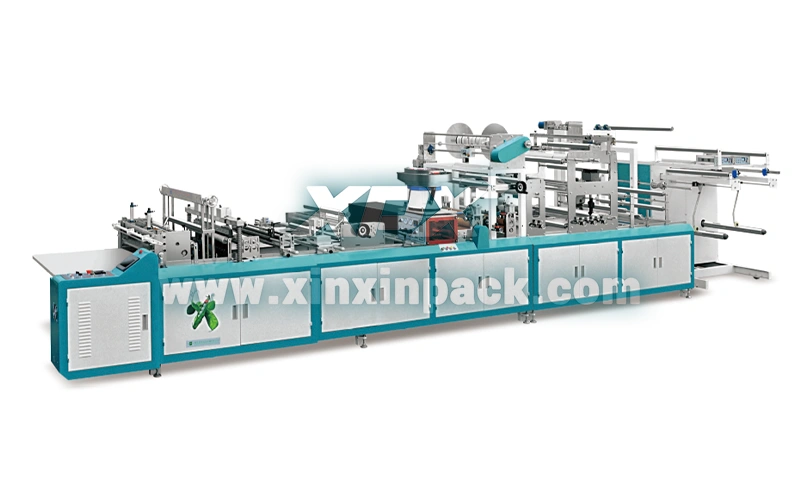
Zipper bag making machines can be configured with various functional modules. Understanding these options helps you select a machine that meets both current and future needs.
Xinxin's bag-making equipment can be flexibly equipped with modules including:
| Module | Function | Best For |
|---|---|---|
| Lamination | Bonds film layers together | Multi-layer bags, composite materials |
| Sliding blocks | Enables slider zipper functionality | Waterproof slider bags, high-seal applications |
| Punching | Creates holes or cutouts | Hang holes, custom openings |
| Patching | Applies reinforcement patches | Diaper bags, heavy-duty packaging |
| Automatic stacking | Stacks finished bags automatically | High-volume production, labor savings |
| Web guiding | Aligns film during processing | High-precision applications |
| Tension control | Maintains consistent film tension | All applications, especially thin films |
Different bag types require different machine configurations:
Zipper Attachment Bag Making Machine: For attaching zippers to PE or PP bags with automatic bonding, sealing, and cutting
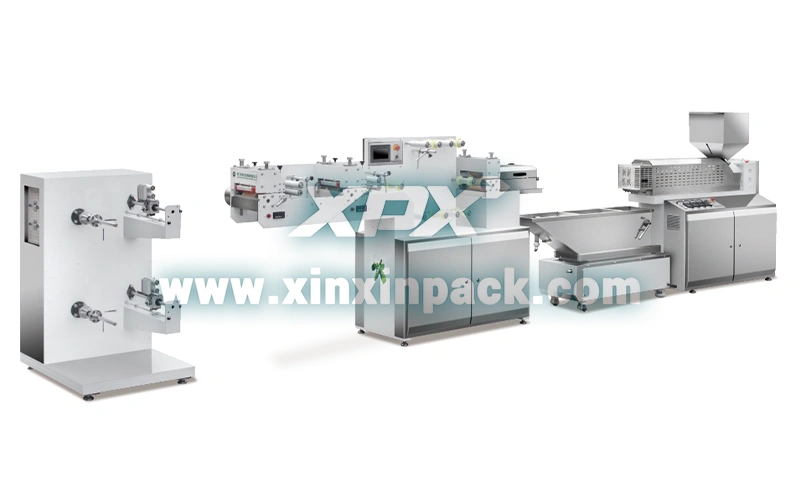
Press-Lock Zipper Profile Extruder Machine: Produces hook-and-loop zipper strips using plastic extrusion molding technology
Water Cooling Zipper Bag Making Machine: Produces smoother, more transparent bags suitable for fruit bags and cosmetic bags with high appearance requirements
Waterproof Slider Zipper Bag Making Machine: For highly airtight sliding bags used in clothing moisture-proof bags and electronic product packaging
When evaluating different zipper bag making machines, pay attention to these critical parameters:
Finished product dimensional error is a key quality indicator. High-precision machines utilizing servo motor and planetary reducer structures can achieve dimensional errors of less than 0.5mm. This precision is essential for bags that must meet strict size specifications, particularly in food and pharmaceutical packaging.
Sealing quality directly affects bag performance. Machines with independent control of cutting and heat-sealing time can achieve sealing consistency 15% better than the industry average. For applications requiring strong, reliable seals—such as food bags, freezer bags, and storage bags—this is a critical differentiator.
Film tension control affects bag flatness, print registration, and overall quality. Machines equipped with dual-servo material pulling systems and constant tension control can improve transparent film correction accuracy by 30%. Poor tension control leads to wrinkles, misalignment, and waste.
Modern zipper bag making machines offer varying levels of automation:
Basic: Manual feeding and collection
Intermediate: Automatic alarm and shutdown for material breakage, knotting, and material shortage
Advanced: Intelligent detection, fault warning, touch-screen interface with multi-segment parameter memory
Higher automation reduces labor costs and downtime but increases initial investment.
| Material | Common Applications | Key Machine Requirements | Recommended Machine Features |
|---|---|---|---|
| LDPE/LLDPE | Food packaging, daily chemicals, e-commerce bags | Low-temperature sealing, high-speed capability | Standard heat sealing, tension control |
| PP | Garment bags, retail packaging, stationery bags | Higher sealing temperature, slip control | Enhanced temperature system, precise feeding |
| Non-woven fabric | Eco-friendly shopping bags, promotional bags | Ultrasonic sealing | Ultrasonic module, PP compatibility |
| PVC | Cosmetic bags, document bags, gift bags | Precise temperature management | Specialized sealing parameters |
| Multi-layer co-extruded film | High-end packaging, barrier bags | Enhanced tension control, layer compatibility | Advanced tension system, multi-layer feeding |
Based on common industry experiences, here are pitfalls to watch for when selecting a zipper bag making machine:
Overlooking material compatibility: Assuming all machines process all materials. Always verify the machine's material list against your specific films.
Choosing speed over stability: A faster machine with poor stability generates more waste. Evaluate overall efficiency, not just peak speed.
Ignoring changeover time: If you produce multiple bag styles, consider how quickly the machine can switch between configurations. Machines with touch-screen interfaces and multi-segment parameter memory reduce changeover time significantly.
Underestimating maintenance requirements: Review the machine's maintenance access. Features like quick-flip blade design and pull-out conveyor belt tracks can reduce maintenance time by over 70%.
Buying for today's needs only: Consider your growth trajectory. A machine that meets current needs but cannot scale may require replacement sooner than expected.
Before finalizing your zipper bag making machine purchase, verify the following:
What is the most common material used in zipper bag making machines?
LDPE (Low-Density Polyethylene) is the most commonly processed material due to its flexibility, ease of sealing, and wide availability. Most standard zipper bag making machines are optimized for LDPE and LLDPE films.
Can one zipper bag making machine process both LDPE and PP?
Yes, many machines support both materials, but you should verify this specifically. LDPE and PP have different melting points and sealing characteristics, so the machine must offer adjustable temperature control and feeding parameters to accommodate both.
What output speed should I look for in a zipper bag making machine?
The right speed depends on your production volume. Standard models operate at up to 120 pieces per minute, while high-speed machines can reach 230 pieces per minute or more. Consider your current order volumes and growth projections when selecting speed.
How important is tension control in zipper bag production?
Tension control is critical. Poor tension control causes film wrinkles, misaligned zipper attachment, and inconsistent bag dimensions. Machines with dual-servo material pulling systems and constant tension control can improve correction accuracy by 30%.
What is the difference between a zipper bag making machine and a zipper profile extruder?
A zipper bag making machine produces finished bags by sealing, cutting, and attaching zippers to film. A zipper profile extruder, by contrast, produces the zipper strips themselves—the hook-and-loop closure profiles that are later attached to bags. Many production lines use both types of equipment.
How long does a zipper bag making machine typically last?
With proper maintenance, a well-built zipper bag making machine can last over 10 years. Machines with robust frames constructed from 12mm thick steel plates and high-strength welded structures are designed for long-term durability.
Choosing the right zipper bag making machine requires a clear understanding of your material types, output requirements, and operational needs. Start by identifying the primary materials you will process—whether LDPE, PP, non-woven fabrics, or PVC—and confirm that the machine supports them. Then evaluate output speed against your actual production demands, not just maximum capacity. Finally, consider which functional modules and automation features will deliver the best return for your specific operation.
Avoid the common mistake of prioritizing speed over stability, or buying for today's needs without considering future growth. A well-matched machine reduces waste, improves quality, and delivers reliable performance over years of operation.
If you are evaluating specific configurations or have unique material requirements, reviewing the available zipper bag making machine models and their specifications is a practical next step. Explore the zipper bag making machine product range →

Environmentally friendly materials
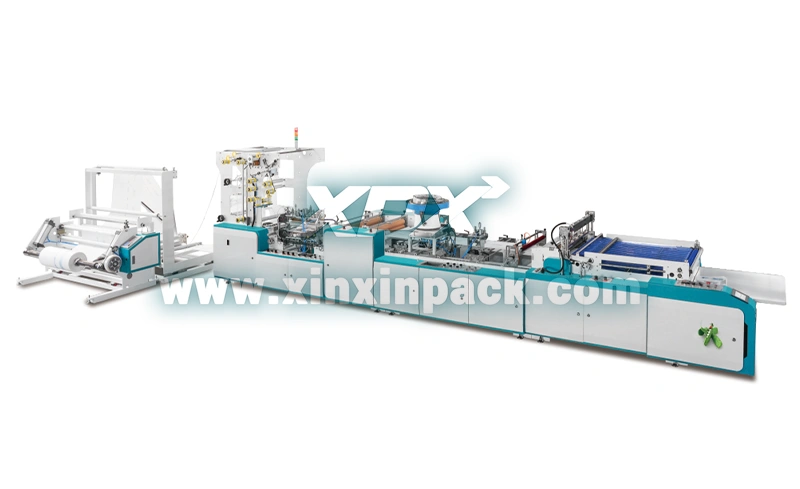
Integrated production lines
Maximising your return on investment