


 中文
中文 English
 Español
The UAE’s decision to leave OPEC has raised new questions about global oil supply, feedstock costs, and petrochemical competitiveness.
For the plastics industry, the key question is not simply:
“Will oil become cheaper?”
The better question is:
“How should plastics manufacturers plan when feedstock and resin prices become more volatile?”
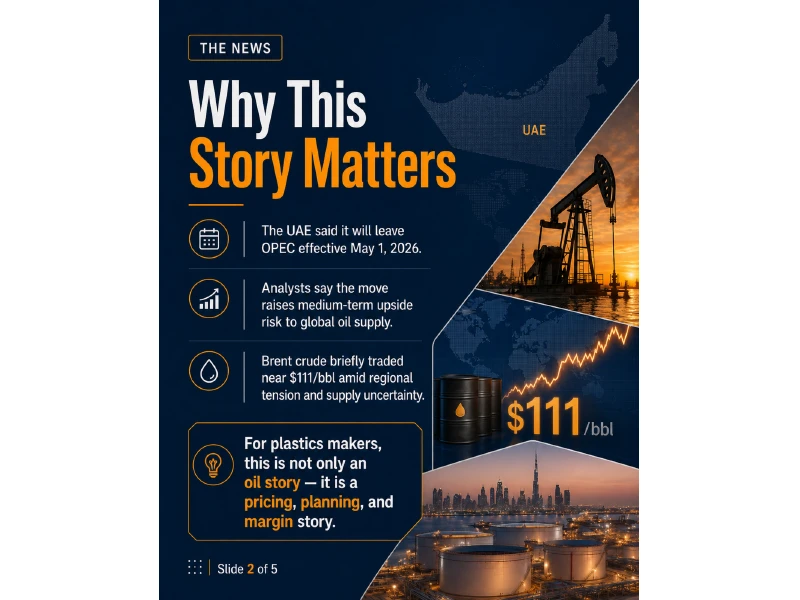
According to Reuters, the UAE said it would leave OPEC effective May 1, 2026. Analysts also noted that this move may raise medium-term upside risk to global oil supply, because the UAE could have more freedom to increase production outside OPEC limits.
In the short term, oil prices may still be affected by regional tension, shipping risks, and supply uncertainty. OPIS reported that Brent crude was near $110.93 per barrel around the time of the announcement.
But for plastics manufacturers, this is not only about the oil price number.
It is about the whole chain behind it.
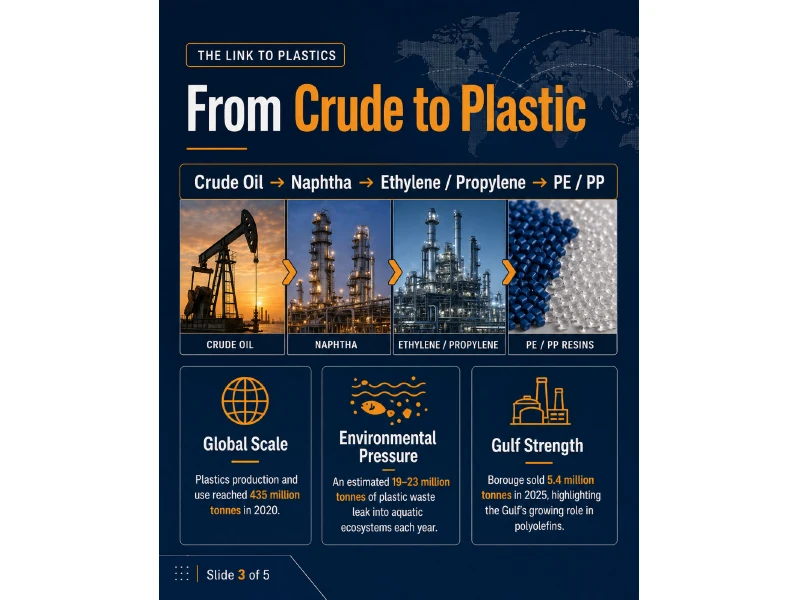
Many plastics manufacturers do not buy crude oil directly. But crude oil can still affect the industry through a longer chain: Crude Oil → Naphtha → Ethylene / Propylene → PE / PP
When crude oil and naphtha prices move, petrochemical costs can shift. When ethylene, propylene, PE, and PP prices move, downstream manufacturers may feel pressure in quotations, order timing, inventory planning, and margins.
This matters because plastics are still a large global industry. OECD data shows that plastics production and use reached 435 million tonnes in 2020, up from 234 million tonnes in 2000.
At the same time, the industry is under growing environmental pressure. UNEP estimates that 19–23 million tonnes of plastic waste leak into aquatic ecosystems every year.
Cost pressure from energy and feedstock markets.
Sustainability pressure from customers, regulators, and society.
Some people may think:
“If the UAE produces more oil, oil prices may go down. That should be good for plastics.”
In theory, yes.
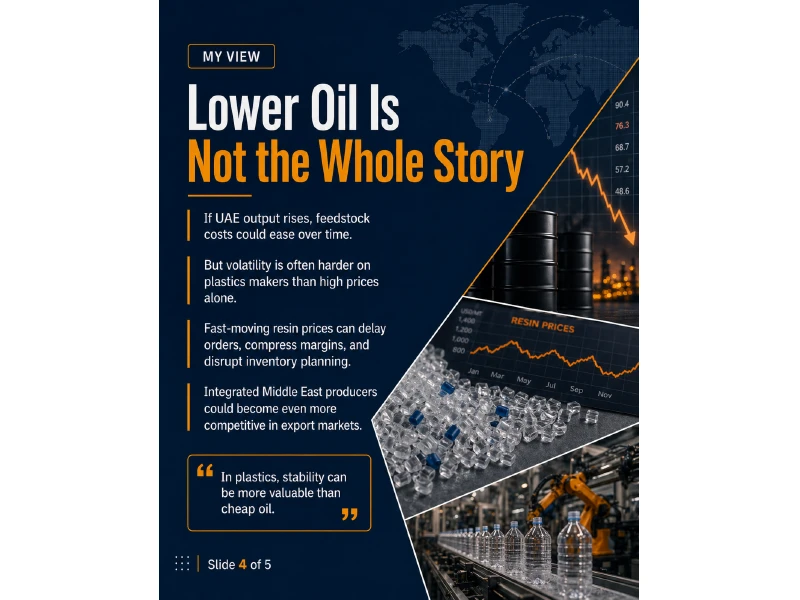
Lower oil prices may help reduce feedstock pressure over time. But in practice, many plastics manufacturers suffer more from volatility than from high prices alone.
Customers delay orders because they expect prices to fall.
Factories hesitate to hold inventory because prices may change again.
Margins become harder to control.
Sales teams need to adjust quotations more frequently.
Production planning becomes less stable.
That is why, in plastics, stability can sometimes be more valuable than cheap oil. Another point is also important: integrated Middle East producers may become even more competitive in export markets. The Gulf region already plays a major role in polyolefins. For example, Borouge reported 5.4 million tonnes of sales volume in 2025, the highest annual sales volume in its history. If Gulf producers gain more flexibility in energy, feedstock, and petrochemical strategy, downstream manufacturers in other regions may face stronger competition.
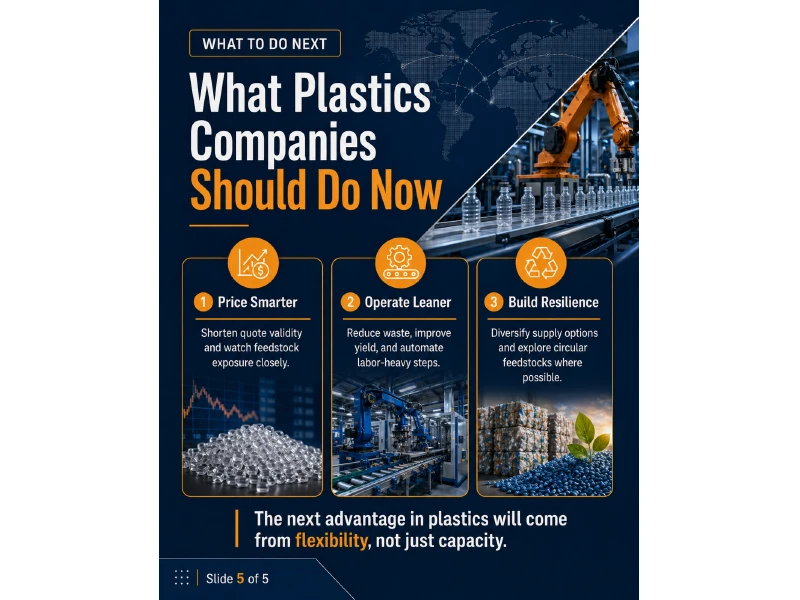
In my view, the next advantage in plastics will not come only from capacity. It will come from flexibility.
1. Price smarter
When resin prices are unstable, long quotation validity can become risky. Manufacturers may need to shorten quote validity, review resin exposure more frequently, and communicate price changes more clearly with customers.
2. Operate the learner
Volatility makes waste more expensive. Reducing scrap, improving yield, and lowering manual handling can help factories protect margins even when material prices move quickly.
This is where automation becomes more important. Automation is not only about speed. It is also about reducing labor dependence, improving workflow stability, and making the whole factory easier to manage.
3. Build resilience
Companies should avoid relying on only one supply option. More resilient manufacturers will pay closer attention to supplier diversification, inventory strategy, circular feedstocks, and production flexibility. Final thought: The UAE’s OPEC exit is a major energy-market story.
Can manufacturers become flexible enough to handle a more volatile world?
For flexible packaging companies, zipper bag manufacturers, and plastic converting factories, the answer may depend on how quickly they can improve pricing discipline, production efficiency, automation, and supply-chain resilience.
In the next stage of the plastics industry, flexibility may matter more than size. And stability may matter more than cheap oil.
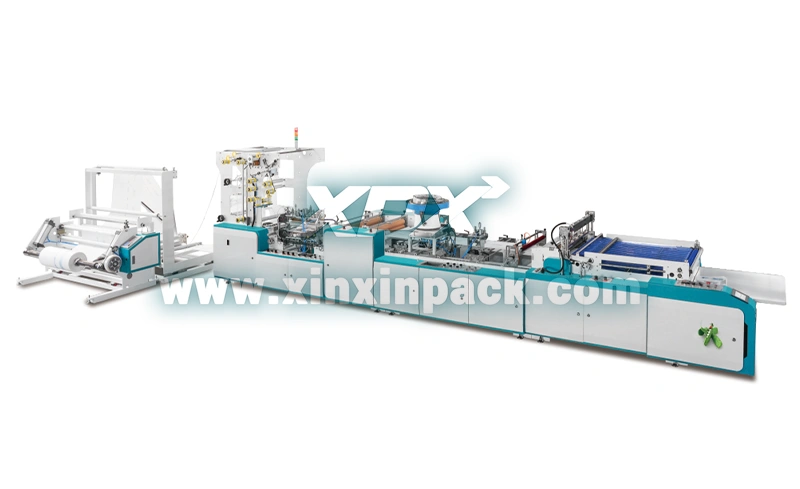
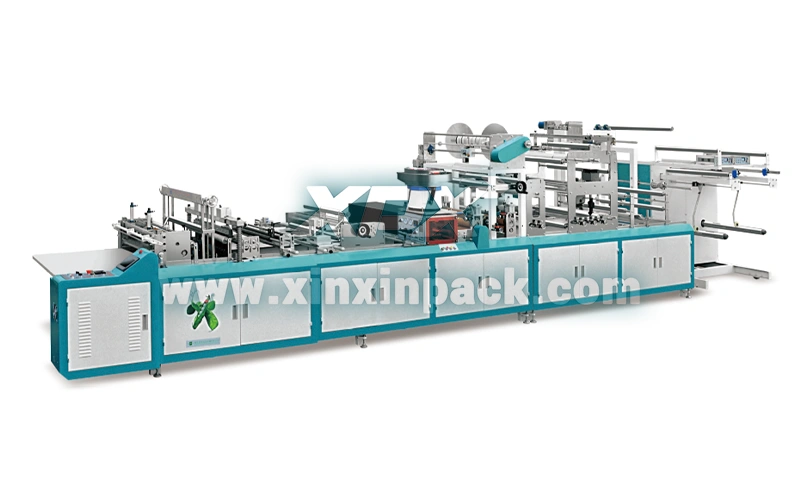
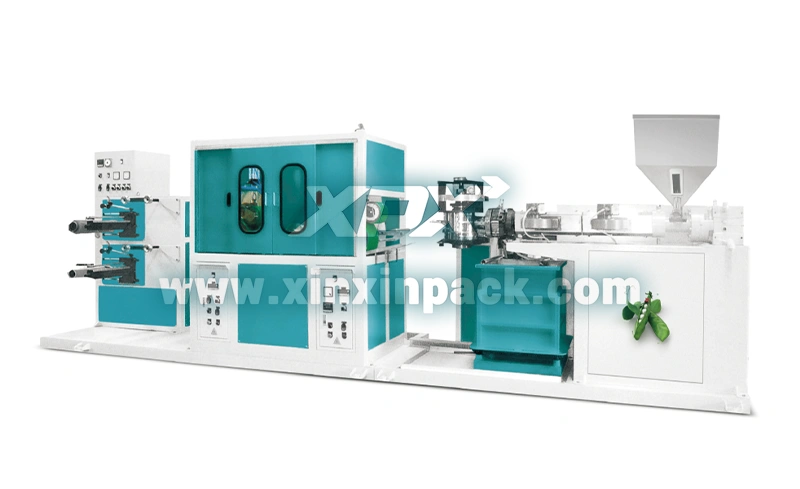

Environmentally friendly materials
Integrated production lines
Maximising your return on investment