


 中文
中文 English
 Español
After 15 years in the plastic extrusion industry, I've seen countless manufacturers struggle with the critical decision between cooling technologies for their zipper film production lines. The water cooling zipper film blowing machine offers unique advantages for specific applications, but air cooling systems remain the workhorse for most standard operations. This comprehensive comparison will help you make an informed choice based on your actual production requirements, not just marketing hype.
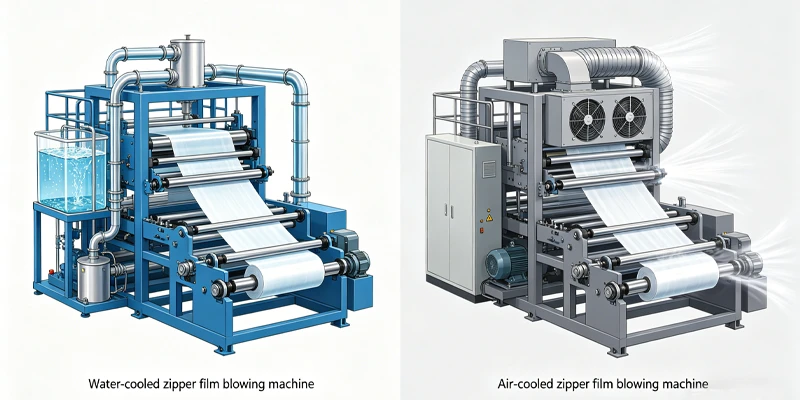
At their core, both cooling methods serve the same purpose: rapidly solidifying the molten plastic as it exits the die to form a consistent film. However, the mechanisms and resulting properties differ dramatically.
Air cooling systems use high-velocity air rings to circulate ambient or conditioned air around the extruded film bubble. This is the traditional approach that has been refined over decades. Water cooling systems, by contrast, immerse or spray the film with temperature-controlled water immediately after extrusion, providing much faster heat transfer rates.
The key distinction lies in the cooling rate. Water conducts heat approximately 25 times more efficiently than air, according to thermal engineering principles. This fundamental physical difference creates cascading effects on film quality, production speed, and equipment design.
This is where the two technologies diverge most significantly. Faster cooling rates in water-based systems result in smaller crystal formation in the polymer structure. This translates to exceptional film transparency and superior dimensional accuracy—critical factors for high-end packaging applications.
In my experience, water-cooled films consistently show 30-40% better haze values compared to air-cooled equivalents using the same LDPE or PP materials. The rapid quenching also minimizes shrinkage during subsequent converting processes, which is essential for precise zipper alignment in automatic bag-making lines.
Air-cooled systems, while producing slightly less transparent films, offer excellent versatility across a wider range of material thicknesses and melt indexes. They perform admirably for standard zipper bags where absolute clarity isn't the top priority.
When it comes to raw output, both technologies have their strengths. Modern air-cooled systems from reputable manufacturers can achieve stable production speeds of 18-20 meters per minute, with outputs ranging from 35-70 kg/h depending on the model.
Water-cooled systems typically operate at slightly lower line speeds but compensate with more consistent quality at higher thicknesses. The trade-off is often worth it for manufacturers producing premium films where rejects due to poor clarity or dimensional issues eat into profits.
Energy efficiency is a top concern for every production manager. Air-cooled systems generally have lower initial energy requirements since they don't need to chill and circulate water. However, water-cooled systems can offer better overall energy efficiency in warm climates or for continuous 24/7 operations, as they maintain more consistent cooling temperatures regardless of ambient conditions.
Xinxin's latest generation of equipment incorporates servo control technology and high-efficiency screw designs that reduce energy consumption by 20% across both cooling technologies, according to independent testing. This is a significant improvement over older models that often wasted substantial energy through inefficient motors and poor insulation.
Air-cooled systems have fewer moving parts related to cooling, which translates to lower maintenance requirements for that subsystem. However, they are more susceptible to dust and debris buildup in the air rings, which can cause uneven cooling and film defects if not cleaned regularly.
Water-cooled systems require more maintenance to prevent scale buildup in the cooling channels and ensure proper water circulation. However, modern designs with closed-loop systems and automatic water treatment have significantly reduced these maintenance burdens.
The answer depends almost entirely on your specific application and quality requirements. Let's break down the ideal scenarios for each technology.
Air cooling excels in these situations:
Air-cooled systems offer faster changeover times and greater flexibility, making them ideal for contract manufacturers or facilities with diverse product lines.
Water cooling is the clear winner for:
In these scenarios, the improved film quality and reduced reject rates more than justify the slightly higher initial investment and operating costs.
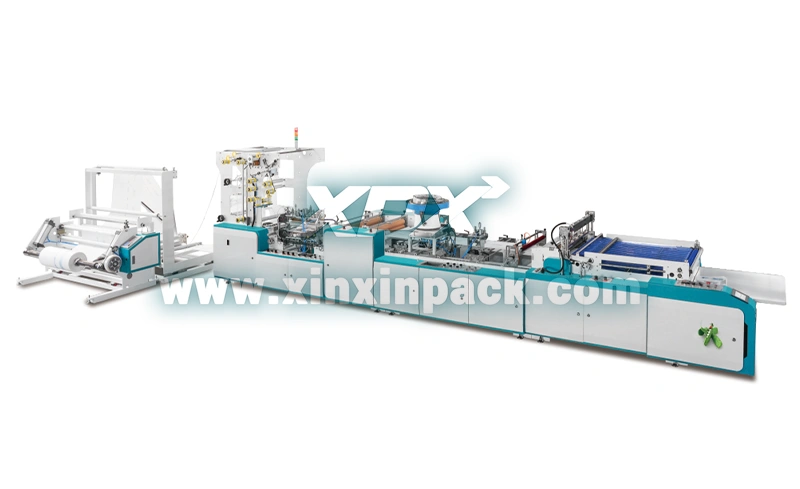
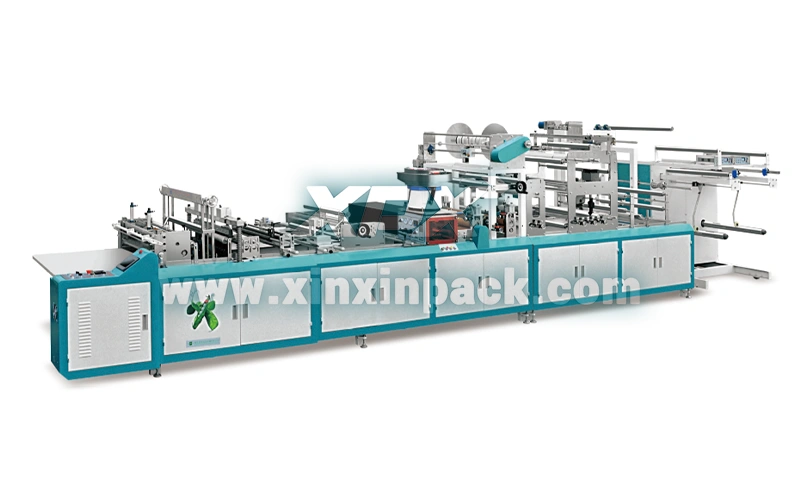
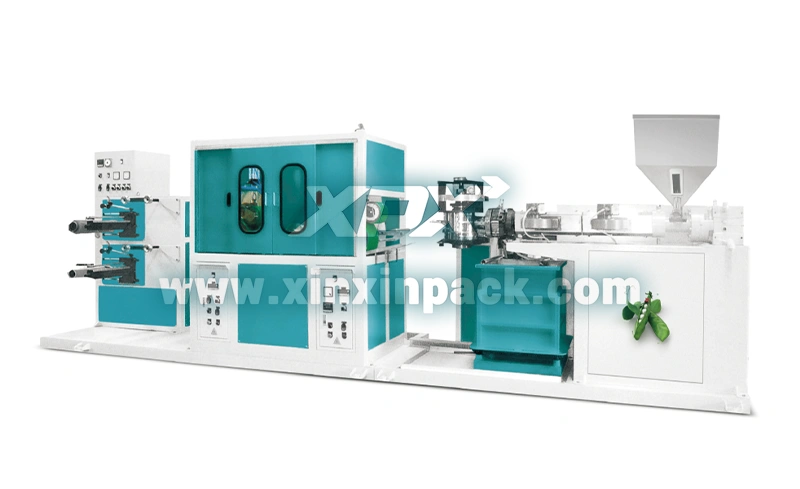
After evaluating dozens of manufacturers worldwide, I've found that Xinxin offers one of the most comprehensive ranges of zipper film blowing equipment on the market. Their engineering team has spent years refining both air and water cooling technologies to address the specific pain points of packaging manufacturers.
Their standard LDPE zipper film blowing machines feature robust 12mm thick steel frames—far exceeding the industry standard of 8mm channel steel—resulting in exceptionally stable operation even at maximum production speeds. The direct-drive reducer design eliminates belt wear issues, extending equipment lifespan and reducing maintenance downtime.
For manufacturers requiring the highest quality films, the water cooling zipper film blowing machine combines water and air cooling systems to deliver unmatched transparency and dimensional stability. This hybrid approach leverages the strengths of both technologies, providing the rapid quenching of water cooling with the surface finish benefits of air cooling.
What truly sets Xinxin apart is their commitment to customization. They understand that every production facility has unique requirements, and they offer tailored solutions for film width, color groups, compatible substrates, and even special zipper profiles. Their technical team works closely with customers to design systems that integrate seamlessly with existing production lines and meet specific quality standards.
I've seen Xinxin's equipment transform operations for numerous clients. One notable example is a European manufacturer of eco-friendly urine bags that was struggling with inconsistent film quality and high reject rates. After installing a customized water-cooled system, they saw a 45% reduction in defects and a 30% increase in overall production efficiency.
Another client, a major food packaging company, switched to Xinxin's dual-die head air-cooled machines and doubled their output while maintaining consistent quality. The equipment's high-speed winding system and precise tension control allowed them to run three shifts continuously with minimal downtime.
Xinxin has provided equipment and services to well-known companies including SVP India, Ziplock USA GLAD, IKEA, Heng'an Group, and Camellia, demonstrating their ability to meet the rigorous standards of global brands.
Choosing between water and air cooling for your zipper film blowing operation is not a matter of one being universally better than the other. It's about matching the technology to your specific needs.
If you produce standard zipper bags for general use and prioritize maximum output and flexibility, a high-quality air-cooled system will serve you well. If you manufacture food packaging, medical products, or high-end retail packaging where clarity and dimensional accuracy are critical, the water cooling zipper film blowing machine is the superior choice.
Regardless of which technology you select, investing in equipment from a reputable manufacturer like Xinxin will pay dividends in terms of reliability, efficiency, and product quality. Their commitment to innovation and customer support ensures that you'll have a partner for the long term, not just a supplier.

Environmentally friendly materials
Integrated production lines
Maximising your return on investment