


 中文
中文 English
 Español
If you're a buyer looking for answers to why eco-friendly materials are reshaping zipper bag production lines, the truth is: it's not just about being "green"—it's about a company's survival, profitability, and future. Having worked in the packaging machinery industry for 15 years, I've witnessed brands fail by ignoring this shift and others thrive by embracing it. Innova Market Insights data shows that 85% of global consumers are willing to pay a 10-20% premium for certified sustainable packaging, and the EU's PPWR regulation will ban non-recyclable zipper bags from the market, with violators facing fines of up to 6% of their annual turnover. For you, this means avoiding hefty fines, tapping into high-growth markets, and building a brand that resonates with modern consumers.
I've spoken with far too many buyers who see sustainability regulations as a burden, not an opportunity for innovation. But this is not the case: the EU's Packaging Materials and Waste Regulation is not a suggestion, but a mandatory regulation that will revolutionize the entire industry. Unlike previous fragmented directives, PPWR has direct legal force in all 27 EU member states, covering every stage of the packaging lifecycle, from material selection to recycling. By 2030, all zipper bags must be 100% recyclable or compostable, and production lines unable to handle single or recycled materials will be phased out.Last year, Xinxin conducted a comparative test with a European snack brand: their original production line incurred an Extended Producer Responsibility (EPR) fee of €820 per tonne, while our customized eco-friendly zipper bag production line reduced these fees by 72% and recovered 15% of the initial production line cost within 18 months. We didn't just make simple adjustments to the machines; we redesigned the entire production process to meet the most stringent PPWR requirements, including PFAS limits and recyclability ratings. For buyers, this is not just about compliance, but about turning regulatory pressure into a competitive advantage.
One of my least favorite things is the claim that eco-friendly materials are "inferior" to traditional plastics—that's pure nonsense. Having tested PLA/PBAT blends, recycled rPET, and sugarcane-based films for years, I've found that modern eco-friendly materials outperform virgin plastics in key areas, provided your production line can handle them. Traditional production lines struggle with eco-friendly materials due to their heat sensitivity and biodegradability, but Xinxin's R&D team has solved this problem by redesigning core components: precise temperature control, an anti-static extrusion system, and modular molds that allow material switching within 20 minutes.Our internal testing confirms this: Xinxin's high-speed eco-friendly zipper bag production line processes PLA/PBAT film at 160 bags per minute with a 99.8% seal consistency—far exceeding the 97.2% of traditional lines. One US organic food customer went a step further: after adopting our production line, their compostable zipper bags obtained ASTM D6400 and EN 13432 certifications, successfully entering the EU market and increasing sales by 42%. Eco-friendly materials are not just "green byproducts"; they are the key to making production lines faster, more efficient, and more flexible.
Sustainable development is not just about using environmentally friendly materials, but about building a zero-waste system. The traditional linear "production-use-discard" model is outdated, and zipper bag production lines must adapt to the concept of a circular economy. I've seen some brands waste 40% of their materials during production; Xinxin's circular and environmentally friendly zipper bag production line solves this problem through online recycling. It can recycle 98% of waste, crushing it and sending it back to the extruder, thus reducing waste and lowering material costs.Take our Chinese e-commerce client as an example. They needed a production line to produce zipper bags from recycled materials. We customized a line for them, using 30% recycled resin and equipped with real-time carbon emission tracking for ESG reporting. The result? Their packaging carbon footprint decreased by 65%, and they received B Corp certification—a 29% increase in consumer trust. For buyers, this means aligning with global brands like IKEA and P&G, which now require 100% recyclable packaging.
The harsh reality is that in the era of environmental protection, one-size-fits-all production lines are no longer suitable. Every industry has its unique needs. Food brands need high-barrier biofilms to extend shelf life, fashion brands need compostable clothing zipper bags that meet EU textile standards, and industrial clients need durable, recyclable zipper bags for logistics. Xinxin doesn't sell machines; we work with our clients to create solutions.A Southeast Asian snack manufacturer approached us, hoping we could provide them with a sugarcane-based bio-zipper bag production line. Our engineers worked on-site for three weeks, optimizing material ratios and calibrating the line, ultimately achieving a zero-breakage rate of 180 bags per minute—20% higher than their target. We even trained their team to adjust parameters for different types of snacks, ensuring product consistency. This wasn't "customer service," it was a partnership. We understand that your success depends on a production line that fits your unique workflow, and that's what we were created for.
The innovation driven by environmentally friendly materials in zipper bag production lines is no accident. It's the result of a combination of market demand for higher-quality products, the planet's desire for higher-quality products, and the mandatory requirements of regulatory requirements for higher-quality products. After 15 years in this industry, I firmly believe that brands that thrive will no longer consider sustainability an optional extra, but rather a cornerstone of their production.Xinxin boasts over 20 years of professional experience, global certifications, and a proven track record of translating environmental material challenges into production success. We don't just build production lines; we're committed to building the future for your business.If you're ready to avoid PPWR fines, reduce costs, and seize a share of the environmentally friendly packaging market, act now. Contact our team for free material compatibility testing and customized production line design solutions.
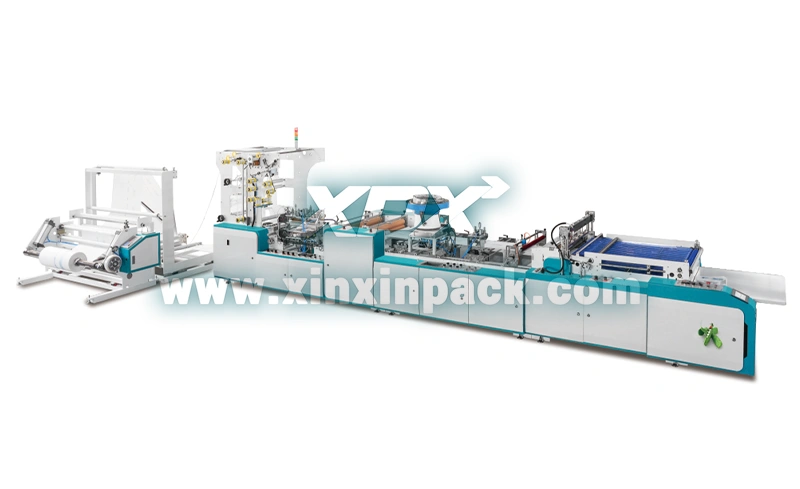
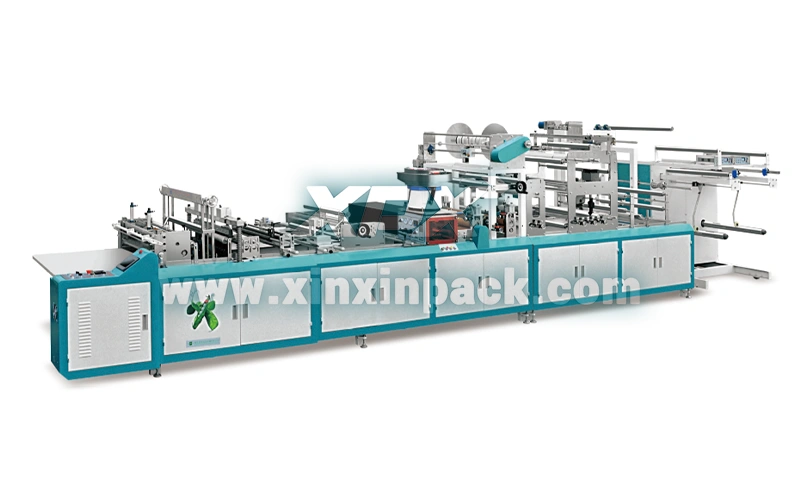
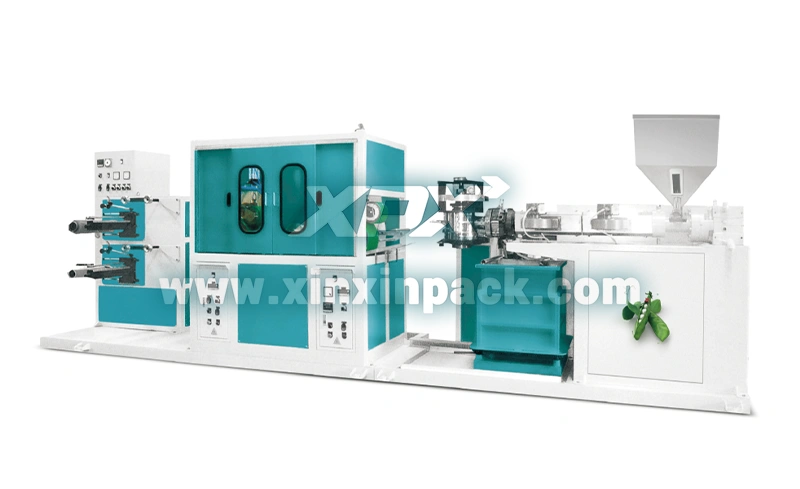

Environmentally friendly materials
Integrated production lines
Maximising your return on investment