


 中文
中文 English
 Español
It’s a sound that haunts every flexible packaging production manager: the rhythmic, high-speed whir of the line, punctuated by the sickening crunch of rejected pouches piling up in the scrap bin. You’re running a high-demand order for stand-up reclosable pouches, your film costs have never been higher, and yet, your yield report at the end of the shift tells a brutal story of thousands of feet of wasted material.
The gut reaction is almost always the same: “We need to run faster to make up for the loss.” But this is precisely the trap that turns a minor inefficiency into a margin-destroying crisis. Speeding up a fundamentally unstable process doesn't just produce more waste; it amplifies every micro-error until your entire operation is throttled by chaos. The real solution is counterintuitive: you don’t need more raw material, you need complete control over every millimeter of the film you already have. If you are consistently fighting material registration drift and inconsistent sealing, it’s time to shift focus from the cost of film to the real-time precision of your conversion process.
The journey from a 5% scrap rate to a sub-1% one isn’t a magic trick; it’s a systematic dismantling of the seven silent profit-killers on your production floor. Let’s walk through them, from root cause to systemic fix.
Before we blame the operator or the film supplier, let’s look at the physics. When you’re converting a multi-layer laminate into a zipper pouch, you’re asking fundamentally different materials—PET, PE, aluminum foil—to behave as one. As the web accelerates from zero to high velocity, micro-tension variations, often invisible to the naked eye, create a “bungee effect.”
This stretching and contracting happens in milliseconds. Your registration sensor catches it, but a reactive system is always playing catch-up. By the time the correction is made, you’ve already produced a dozen pouches with a misaligned zipper or a skewed bottom gusset. The fix isn’t just a tighter dancer arm; it’s a shift from reactive tension control to closed-loop, anticipatory tension algorithms. Modern direct-drive motors, when decoupled from gearbox inertia, can achieve a velocity loop response time that absorbs these spikes rather than transmitting them to the sealing area.
Here’s a scenario we see on countless plant visits: an operator, frustrated with registration drift, over-compensates by increasing the dwell time on the sealing bars, hoping to "lock in" the alignment. The result? Burnt inner layers, weakened seal integrity at the corners, and a pouch that looks perfect coming off the line but bursts in the customer’s hands during a drop test.
This is the classic trade-off error. High-precision registration and strong hermetic seals should not be mutually exclusive. The key is thermal decoupling. You need a system where the registration cameras communicate directly with the servo drives to make sub-millimeter adjustments between sealing stations, not at the sealing station. This means the material’s dwell time under heat remains constant and optimized for the laminate structure, while positional accuracy is handled upstream.
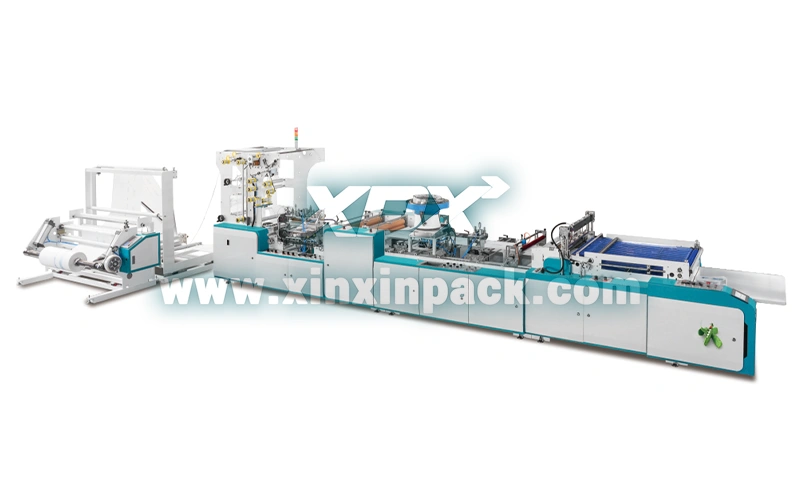
A recent study on flexible packaging waste streams by Smithers noted that converting inefficiencies, not just film supply issues, remain the single largest controllable contributor to landfill-destined waste in the industry. We can do better. By integrating these processes, many processors have successfully discovered methodologies to slash material waste without compromising the cycle speed necessary to fulfill tight delivery windows.
The reclosable zipper is the most expensive component of your pouch and, maddeningly, the most frequent point of failure. The problem usually isn’t the zipper profile itself, but how it’s being fed and aligned.
Most scrap in this area comes from two sources: zipper drift, where the profile begins to wander laterally, and “smiling,” where a slight curve in the application creates a crescent-shaped stress point. Traditional mechanical guides introduce friction and are painfully slow to adjust. The shift to laser-guided, ultrasonic-assisted zipper applicators has proven to be a watershed moment. Ultrasonic energy seals the zipper to the film without melting through the outer layer, a common defect when using simple thermal conduction. It’s a cooler, faster, and infinitely more precise method that allows you to use a lighter-gauge film—directly cutting raw material costs.
You don’t necessarily need to overhaul an entire line to see a 10-15% improvement. Here is a three-step diagnostic you can run on any existing system:
The Start-Stop Wail Test: Listen to your machine during a batch change or splice stop. Loud mechanical clunking indicates hard stops that shock the film tension. Smooth, silent deceleration suggests a servo system that’s preserving registration.
Map Your Static vs. Dynamic Waste: Keep a sharpie in your pocket. Draw an ‘X’ on the film just before a roll change. Run it until the new film is spliced in. Count how many pouches are wasted just from the splice cycle. Then, compare that to the random rejects during a steady run. Often, poor splice algorithms are the hidden culprit, generating consistent, catastrophic spikes of waste that go unmeasured.
The 20-Minute Seal Audit: Pull 20 consecutive pouches off the line, fill them with water, and turn them upside down on a paper towel. Micro-leakers at the zipper-seal interface will reveal themselves within minutes. If you see more than one failure, your process control, not your film, is failing.
These diagnostics often reveal that the bottleneck isn’t the operator's skill, but the machine's inability to translate their intent into precise physical action. When you start seeing your production line as a data stream of positions, pressures, and temperatures rather than a purely mechanical beast, the waste problem becomes solvable.
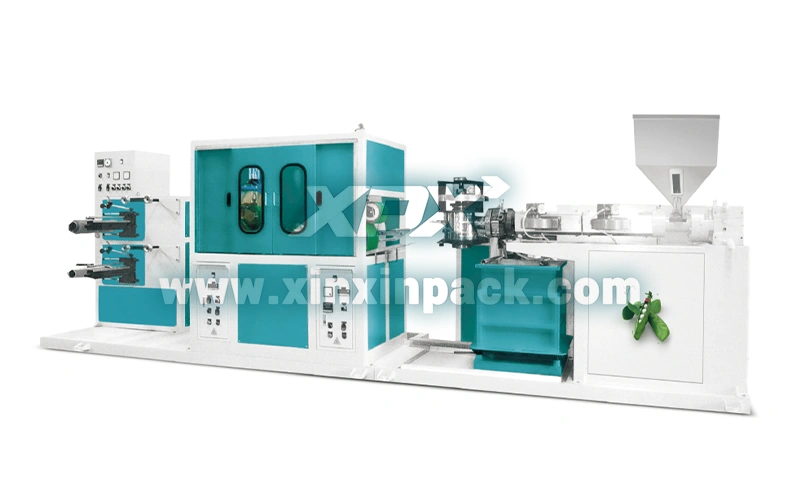
The final piece of the puzzle is not collecting data, but making it actionable. A dashboard that screams "Fault: Seal Temp Low" is helpful; a system that automatically culls the affected pouches and provides an audit trail of the temperature deviation with a micro-second timestamp is transformative. This level of track-and-trace isn't just for pharma anymore. It’s how you shield your brand from a catastrophic recall and build bulletproof trust with major retailers.
Ultimately, boosting output while cutting waste is a single objective, not two competing ones. They are both downstream results of motion control fidelity. The less the film moves in an uncontrolled way, the faster you can run it, and the less of it you throw away. If you’d like to explore the specific technical configuration that aligns with your current laminate structures and volume targets, Xinxin’s engineering team offers a no-commitment consultation to provide a detailed and personalized yield optimization proposal.
Disclaimer: The process optimization techniques discussed here are based on general flexible packaging engineering principles. Results can vary based on specific material combinations, machine conditions, and environmental factors. Always consult your equipment and material suppliers before making significant process changes.

Environmentally friendly materials
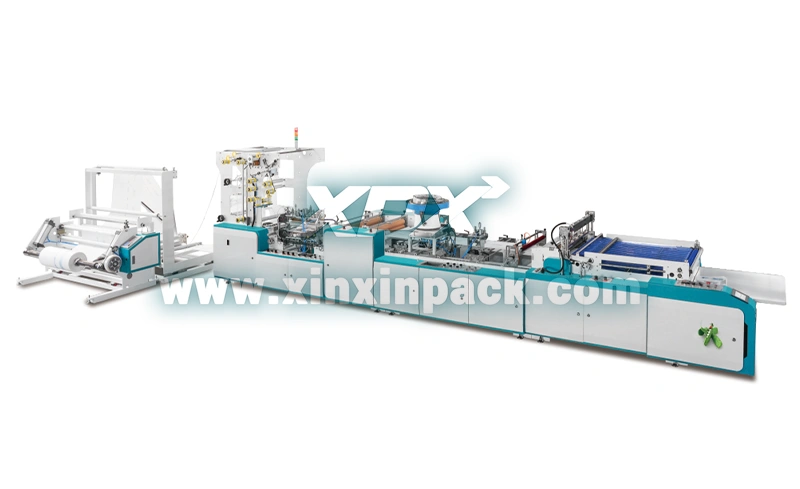
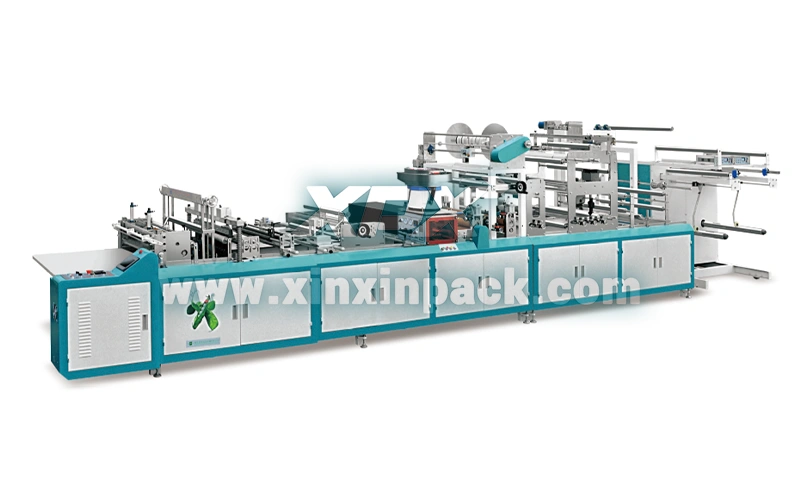
Integrated production lines
Maximising your return on investment