


 中文
中文 English
 Español
A co-extruded zipper film line running at 85% of its rated speed might seem acceptable—until you count the cost. A packaging converter I spoke with recently was losing roughly 210 kilograms of prime film every week to off-spec zipper alignment and gauge bands. That’s a quiet drain on material margin that rarely shows up in daily shift reports. When every percentage point of scrap reduction flows straight to gross profit, an “okay” line is the most expensive machine on the floor.
The pursuit of higher efficiency in zipper film extrusion isn’t about rushing the screw RPM. It’s about eliminating the tiny, repetitive losses that compound over thousands of linear meters: the start-up transition film that lands in the regrind bin, the hard-to-trim edges caused by wandering zipper inserts, and the sudden drops in line speed when a wrinkle threatens to tear at the collapsing frame.
Before adjusting any dial, it pays to understand the physics working against you. Zipper film combines two demanding processes: blown film extrusion and in-line zipper profile insertion. Any instability in the bubble—caused by fluctuating melt temperature, uneven air ring cooling, or inconsistent nip pressure—displaces the zipper position. Once the zipper wanders more than ±1.5 mm from the centerline, downstream converting becomes problematic. The film may still be usable, but the slitting yield drops sharply.
A 2023 benchmarking study by AMI Consulting found that the top quartile of zipper film producers achieve a film thickness variation of less than ±4% (2-sigma), while average performers fluctuate between ±7% and ±10%. The gap isn't just about better raw materials; it’s about how well the extrusion line controls the three critical process zones: the melt delivery system, the bubble formation and cooling, and the collapsing/take-off geometry. When any of these zones drifts, the machine direction orientation shifts, and the zipper seal integrity becomes inconsistent—a hidden cause of leaker complaints downstream at a zipper bag making machine.
Improving efficiency requires working through each zone systematically. Here’s a roadmap that plant engineers and production managers can adapt to their specific line.
The extruder is not just a pump; it’s a mixing and heating device. A worn screw or barrel creates melt temperature gradients that cause localized viscosity changes, leading to gauge bands. Switching to a barrier screw with a Maddock-style mixing section can reduce melt temperature variation from ±8°C to under ±3°C, a change that translates into a more stable bubble and less scrapped film during acceleration. Pair this with fine-mesh screen packs and change them based on back-pressure trending, not just a schedule. A data-driven screen change can prevent a 2-3% output drop that operators often accept as normal.
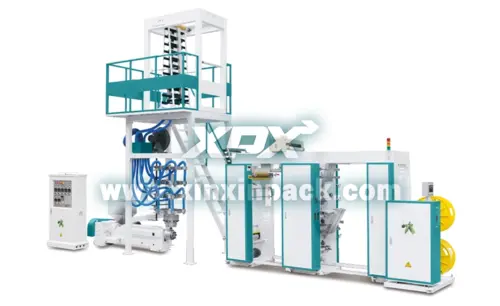
The bubble is your gauge control stage. Upgrading to a dual-lip air ring with internal bubble cooling (IBC) can lift output by 15-25% on the same die size while simultaneously reducing frost line height variation. IBC systems use ultrasonic sensors to measure bubble diameter and adjust exhaust air in real time. A stable bubble diameter—held within ±2 mm on a 350 mm bubble—keeps the zipper insertion point steady, which directly improves the usable width of the finished roll. If a full IBC retrofit isn’t feasible, even manually tuning the air ring damper settings while using a laser thickness gauge can help operators map the air ring profile and eliminate individual gauge spikes.
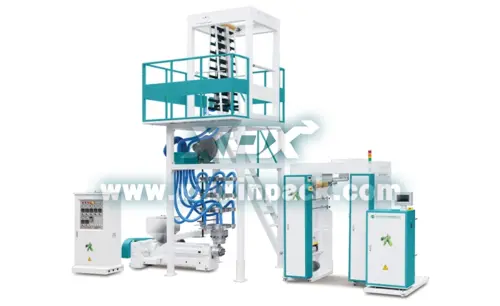
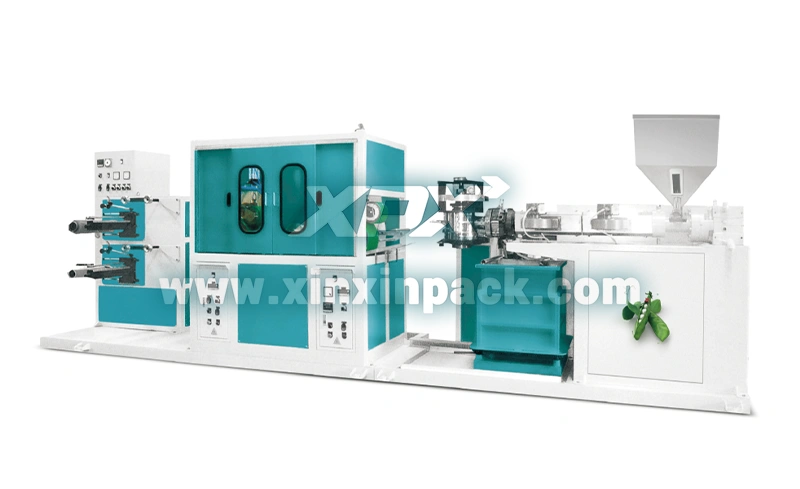
The collapsing frame and nip section determine whether the zipper stays put. Many older lines use fixed-profile collapsing frames that don’t accommodate different film thicknesses well. Replacing them with adjustable, roller-based collapsing frames reduces drag-induced tension spikes that can pull the zipper off-center. Equally important is the zipper insertion guide itself—a precision-machined track that pre-aligns the zipper profile before it enters the nip. If this guide has worn edges or lacks fine adjustment in the transverse direction, zipper wander becomes inevitable. Facilities that switched to hardened, precision-ground insertion guides reported a 40% reduction in edge trim waste, according to technical notes from several blown film equipment makers. Systems that integrate these refinements into a single, repeatable platform are worth exploring when existing hardware can't hold the target tolerances. To see how modern extrusion lines incorporate these principles, you can review zipper film line configurations that focus on tight process control.
Efficiency doesn’t end at the nip. Inconsistent winding tension creates telescoped rolls that jam at the customer’s unwinding station or cause intermittent web breaks during converting. A closed-loop tension control system that measures actual web tension via load cells, rather than just motor current, can maintain tension within ±2% of setpoint across the entire roll diameter. This is especially critical for thin-gauge zipper films where even slight stretching changes the film’s elastic memory. Pre-programming tension taper profiles for different film thicknesses eliminates the trial-and-error adjustments operators make during shift changes, saving both time and material.
Capital investment in hardware is only half the story. Process discipline locks in the gains. Three routines stand out:
Daily nip roll durometer check. A worn or hardened nip roll changes pressure distribution, causing zipper displacement that is invisible until slitting. Use a shore hardness meter; replace rolls that deviate more than 5% from original spec.
Weekly air ring and IBC cartridge cleaning. Dust and polymer fines accumulate rapidly, distorting airflow patterns. A 15-minute clean with a soft brush and solvent can restore output that has crept down unnoticed.
Monthly zipper alignment verification. Run a 10-minute trial without any transverse adjustments; measure zipper position every 50 meters. A trend chart will show whether a guide component is wearing before scrap numbers spike.
These practices align with the ISO 23559 standard guidelines for blown film extrusion, which emphasize validated process control over final inspection. Many plants that adopt them begin to see output stability improve within the first quarter.
When a zipper film line moves from reactive firefighting to predictable, repeatable output, the benefits cascade beyond the extrusion hall. Downstream, a zipper bag making machine runs with fewer jam-related stoppages because the film profile is consistent. Customers receive rolls that unwind smoothly on high-speed form-fill-seal lines, reducing their own downtime. In an industry where standard zipper film margins face constant pressure, being the supplier whose film “just runs” is a defensible differentiator.
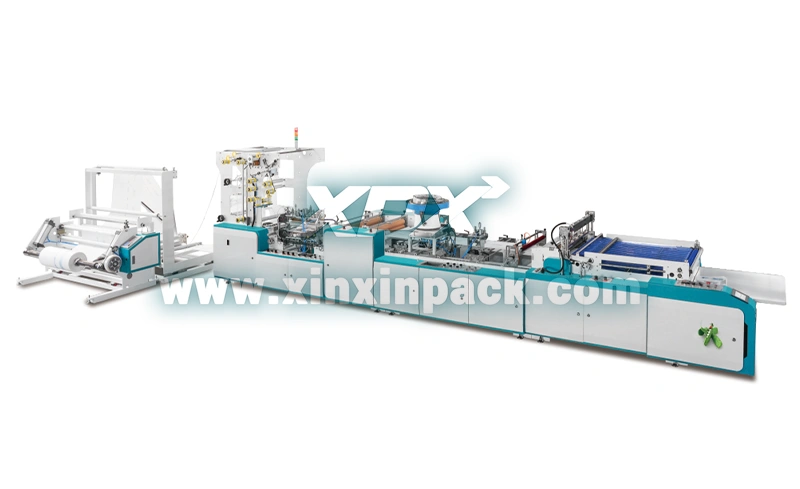
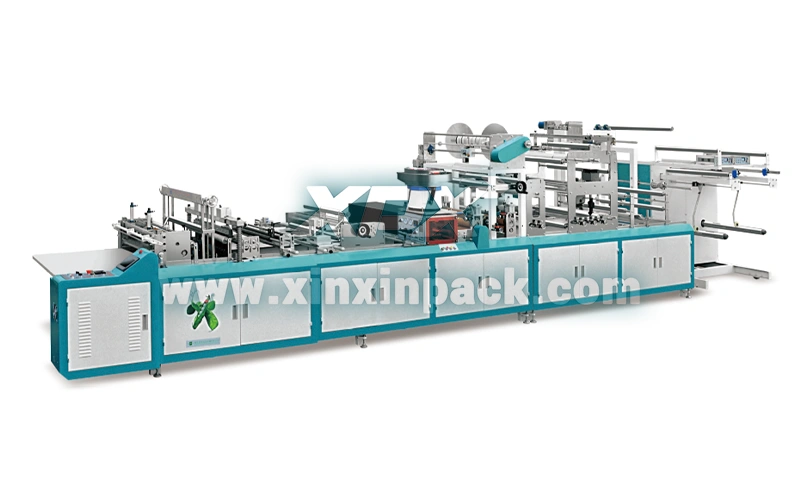
For producers ready to move beyond incremental tweaks, Xinxin’s integrated zipper film blowing systems are engineered to combine precise zipper guiding, stable bubble control, and automated winding into a cohesive line. If you are planning an upgrade or a new line, it makes sense to start with a detailed process audit to identify where your current constraints really are, and then match hardware capabilities to those specific gaps. While a comprehensive zipper bag making machine is often the next step in the converting chain, the quality and efficiency of the film blowing stage directly determine how productive that downstream machine can be. Getting the film right is where it all begins.
Disclaimer: This article is for informational purposes and does not replace a professional engineering assessment of your specific production line. Always consult equipment manufacturers and follow applicable safety standards when making modifications.

Environmentally friendly materials
Integrated production lines
Maximising your return on investment