


 中文
中文 English
 Español
Every production manager running a blown film line for zipper bags knows the sinking feeling of opening the monthly utility bill. Extruders, heaters, air rings, and motors – they all work hard, but a surprising share of that energy is simply wasted. In fact, extruding and melting polymer can account for 60–70% of total power consumption in a typical film blowing process. With electricity prices volatile and margins tight, reducing energy use isn’t just green – it’s survival.
But here’s the good news: you don’t need to replace your entire production line to see substantial savings. Through targeted improvements in thermal management, drive systems, and operating practices, many plants cut energy costs by 15–25% within six months. Let’s break down where the waste hides and how to eliminate it.
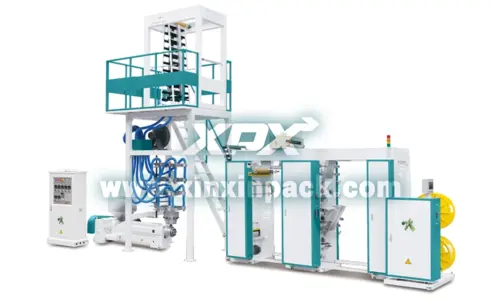
Before fixing anything, understand the three main energy drains in a zipper film extrusion line:
Barrel & die heating (~55-65% of total energy) – Maintaining melt temperature demands continuous electrical input, especially if heaters are old or poorly insulated.
Drive motors (~20-30%) – Screw rotation, haul-off, and winder motors consume power; fixed-speed motors often run inefficiently at partial load.
Auxiliary systems (10-15%) – Air ring blowers, cooling fans, and vacuum pumps for zipper profile shaping.
Most plants overlook two critical facts: (1) standard resistive heaters lose 30–40% of their heat to ambient air, and (2) oversized motors running at 60% load can be 15% less efficient than properly sized variable-frequency drive (VFD) units.
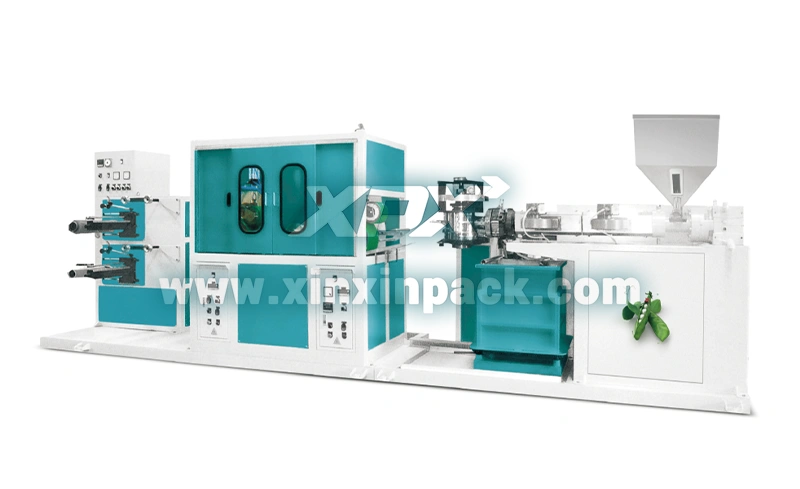
If you want to see how modern equipment addresses these exact points, check engineered heating configurations that integrate ceramic bands and multi-zone PID control – they typically reduce heat loss by half compared to conventional designs.
Start with the lowest-hanging fruit – heat containment and control.
Action steps:
Apply 1-inch ceramic fiber insulation blankets around barrel heaters (payback period often <3 months).
Retrofit standard on/off controllers with PID or self-tuning regulators – they smooth temperature cycling, reducing peak current draw by 12-18%.
Use infrared heaters for the die head; they transfer heat directly to the metal surface, wasting almost nothing to air.
Many operators worry that better insulation might overheat components. That’s a myth. Properly installed insulation actually stabilizes temperature profiles, leading to more consistent film gauge – and less scrap. One Midwest converter reported a 22% drop in extrusion energy after adding insulation and upgrading to PID on their two existing lines.
For new equipment, many suppliers now include modular ceramic heater bands with independent zone control. Explore how zone-separated heating works in contemporary machinery – it allows you to target heat exactly where needed, avoiding energy bleed into non-critical areas.
Fixed-speed AC motors are energy vampires when the line runs below full capacity. A VFD matches motor speed to actual torque demand, slashing electricity use.
Where VFDs deliver the biggest ROI:
Extruder screw drive – during ramp-up, grade changes, or reduced output hours, a VFD can cut consumption by 30%.
Haul-off & winder – tension control via VFD eliminates wasteful braking resistors.
Air ring blower – many lines run blowers at 100% even when thinner films or slower speeds need less air.
Data from a 2023 plant audit (source: Plastics Energy Efficiency Guide) showed that retrofitting three motors with VFDs saved 48,000 kWh annually – roughly $6,000 at average U.S. industrial rates. Payback: 8-14 months.
When evaluating a new zipper film extrusion system, look for integrated VFD packages with energy recovery modules. See typical drive configurations that include regenerative braking – they feed deceleration energy back into the plant grid, not into resistor heat.
Screw geometry directly affects energy per kilogram of melt. A poorly designed screw creates excessive shear heating, forcing the barrel cooling fans to run constantly – that’s double waste: too much electrical input for the drive, plus fan power to remove the excess heat.
Signs your screw may be inefficient:
Barrel cooling fans operate >70% of the time
Melt temperature is 15-20°C above setpoint despite normal output
You see surging or inconsistent pressure
The solution is a barrier screw with mixing section designed for the specific resin blend used in zipper film (often LDPE/LLDPE blends). Barrier screws reduce shear heating by 10-15% while improving melt homogeneity. That means fewer cooling cycles and lower base energy demand.
Additionally, consider air vs. water cooling – water-cooled barrels are roughly 20% more energy efficient because water’s thermal conductivity removes heat quickly without constant fan re-starts. However, water cooling requires closed-loop systems to avoid corrosion.
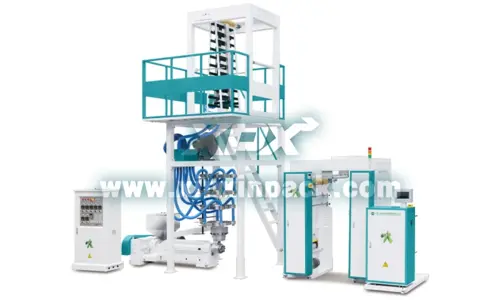
Extruders reject enormous quantities of heat through barrel cooling and die radiation. Instead of venting that 50-70°C air outside (or conditioning against it in summer), redirect it.
Effective recovery methods:
Duct cooling fan exhaust into warehouse heating zones during winter – one 200-hp extruder can provide 150,000 BTU/hr of free heat.
Use heat exchanger on die head enclosure to pre-heat incoming resin (reduces barrel heating load by 8-12%).
For air ring exhaust (warm, dry air), redirect to drying hoppers – you’ll save on electric dryer usage.
A case study from a Canadian film converter (published in Energy Manager Today, 2022) showed that simple ducting modifications recovered 38% of cooling system waste, cutting total plant gas heating bills by 17% over winter months.
Technology alone isn’t enough. The most efficient machine operated poorly will still waste energy.
Three habits to embed:
Daily leak checks – compressed air for collapsing guide plates or zipper alignment often leaks silently; a 3mm hole costs ~$600/year.
Scheduled infrared thermography on electrical cabinets – loose connections increase resistance and heat, wasting energy before failure.
Operator incentives – tie a small bonus to kWh per ton of film produced. When operators understand that lower barrel temperature setpoints (within melt range) save without hurting quality, they’ll adjust.
If you prefer a turnkey solution that builds these practices into the control system, review predictive maintenance features included in some newer lines – they alert operators when energy consumption deviates from baseline.
You don’t need a multi-million dollar overhaul to tame energy costs in zipper film production. Start with insulation and PID retrofits – they’re low-risk, high-return. Then layer in VFDs and heat recovery as capital permits. The cumulative effect: 20-30% lower electricity bills, plus extended component life from reduced thermal stress.
And when your existing machine reaches the end of its economic life, consider how new designs have rethought energy from the ground up. Modern lines integrate everything discussed here – ceramic heating, VFDs on all motors, barrier screws, and waste heat capture – into a single intelligent platform.
For a closer look at equipment engineered specifically for low energy consumption without compromising output or film quality, explore XinXin’s energy-saving lineup. Their approach combines industrial IoT monitoring with proven thermal efficiencies – many users report breaking even on the upgrade within 18 months through power savings alone.
What’s your biggest energy challenge on the extrusion floor? Have you tried any of these methods? Share your experience – let’s learn from real plant data.
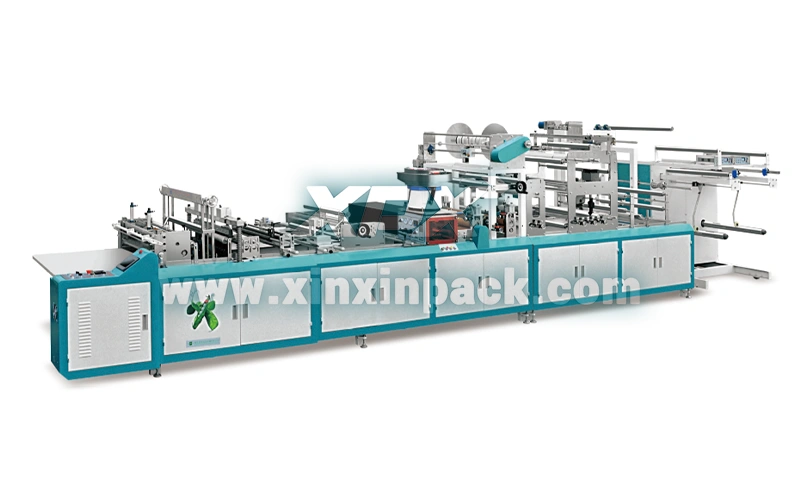

Environmentally friendly materials
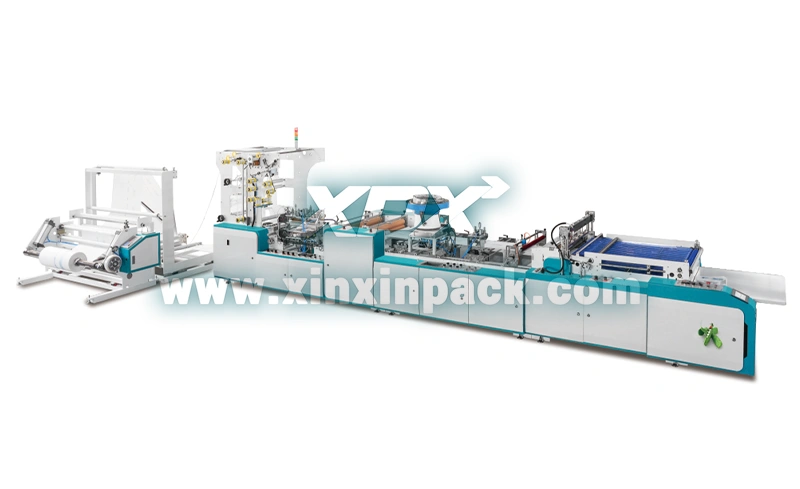
Integrated production lines
Maximising your return on investment