


 中文
中文 English
 Español
Walk into any flexible packaging plant and you’ll see it: shimmering rolls of laminated film quietly turning into skeletons—trimmed edges, misaligned zipper offcuts, and entire pouch runs scrapped because of a 2-millimeter sealing drift. We often obsess over line speed, but the quiet profit killer is waste. On an average zipper pouch line running at scale, even a 3% material loss can translate to tens of thousands of dollars slipping through your fingers every year. The question isn’t if you can afford to deal with waste; it’s whether you can afford not to.
The real culprit? In most cases, it isn’t the operator, nor the resin. It’s a chain of micro-failures—uncontrolled tension, poor thermal profiling, and manual adjustments that can’t keep up with real-time deviations. The good news is that a significant portion of this waste is preventable with a structured approach. Let’s break down how you can shrink that scrap bin while simultaneously improving overall equipment effectiveness (OEE).
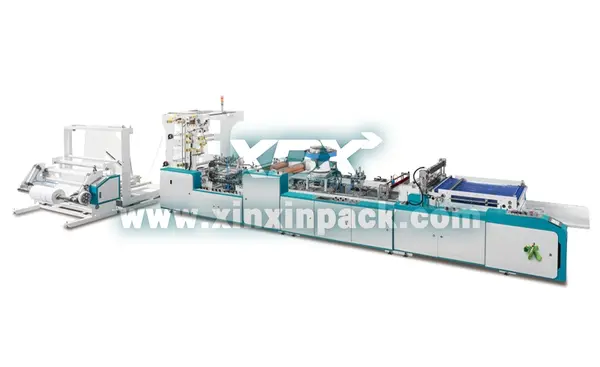
We fixate on steady-state production, yet 40-60% of film waste is generated during acceleration, deceleration, and splice events (per TAPPI PEERS conference data on flexible packaging waste streams). Every time the line stops and restarts, the sealing dies either overheat or undershoot, the registration marks drift, and the zipper tape tension oscillates. This “transient scrap” is rarely visible in daily output reports, because it’s ground up and recycled immediately—but it’s very visible in your raw material variance report.
Immediate action: Start logging waste not by shift, but by event. Assign a dollar value to every stop-start sequence. You’ll quickly discover that a line with just three unplanned stops per shift can hemorrhage material equivalent to 5-8% of its daily output.
Zipper scrap doesn’t come only from the edges. When the zipper tape enters the cross-seal area with a fractional position error, it accumulates over hundreds of cycles, shifting the chain pitch. The result is crushed zipper segments, leakers, and a cascade of rejects that often forces operators to increase the sealing temperature as a quick fix—which distorts the film and generates even more waste.
A common workaround is widening the seal band, but this is a concession, not a solution. A more surgical approach involves characterizing the “draw ratio” of your zipper tape versus the base film under actual dwell time and temperature. Without this understanding, you’re effectively running blind.
Here’s where the numbers start turning in your favor. These four tactics don’t necessarily require a capital purchase; they demand a shift in how you set up and monitor your process.
1. Separate Tension Zones with Accumulator Feedback
Most zipper pouch lines have a single dancer arm trying to manage both the main film web and the zipper tape. When the zipper unwind inertia spikes, it tugs the entire web, causing micro-slippage. By installing a dedicated ultrasonic loop sensor and a simple motorized let-off specifically for the zipper station, you decouple the two tension domains. One converter we studied reduced zipper-related registration scrap by 62% within two weeks of implementing this.
2. Replace Static Dwell with Dynamic Profiling
A fixed dwell time setting for your cross-seal station means you’re over-sealing thin sections of the pouch and under-sealing the thick zipper flange zone. Switch to a multi-step pressure profile: a fast initial approach, a high-pressure short pulse exactly when the seal bar meets the zipper area, and a controlled cooldown hold. This profile can be achieved even on a basic PLC if you’ve got proportional valve control. The result? Stronger seals, zero distortion, and no more “cooked” laminate edges.
3. Registration Mark Strategy for Zipper Pitch
Rather than using only the print registration mark to position the film, integrate a secondary sensing point—an optical contrast sensor reading the zipper profile itself. You’re moving from a print-to-print alignment to a print-to-zipper alignment, which corrects the fundamental pitch error. This shift alone often reduces the reject pile at the delivery conveyor by half.
4. Data-Driven Changeover Sequencing
When switching between a 6-inch-wide pouch and an 8-inch-wide zipper bag, operators often follow a trial-and-error sequence that generates a mountain of setup film. Instead, create a standardized changeover matrix that pre-calculates forming shoulder position, cross-seal timing offset, and zipper tape advance for each SKU. Enter the parameters, jog one bag through, measure the four critical dimensions, and fine-tune from there. A growing number of operations are now linking this sequence directly to recipe-driven automated zipper pouch manufacturing systems that pull pre-validated settings from a digital library, eliminating the guesswork entirely.
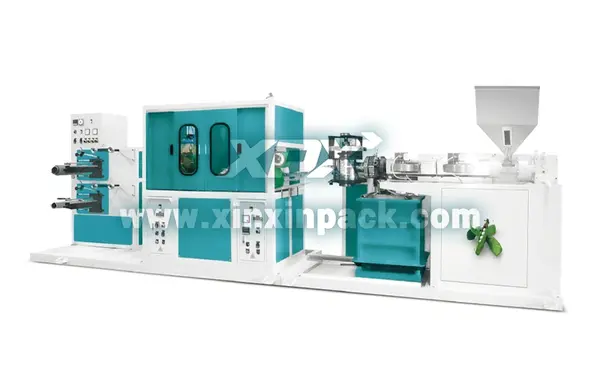
So far, these tactics stay within the realm of retrofitting and operational discipline. But there’s a threshold where the mechanical backbone of your line becomes the limiting factor—typically when you’re chasing a scrap rate below 1.5% on a 200-plus bags-per-minute line. At that stage, incremental fixes can’t compensate for frame flex under high cyclic forces, limited servo interpolation resolution, or heating platens that fluctuate by ±3°C at the edge.
This is where the concept of closed-loop material management comes in. It’s not about a single machine specification; it’s about an architecture where the film registration, zipper advance, seal temperature, and knife actuation all speak the same digital language in microsecond synchronization. When a infrared thermography array detects a 2°C cold spot on the longitudinal seal bar, the motion controller instantaneously adjusts the film feed rate to keep the seal integrity identical, rather than letting the line run until a bad bag appears 40 cycles later.
One recent trend pushing this forward is the adoption of servo-driven zipper sealing carriages with real-time torque feedback. Instead of guessing that a seal is good, the drive measures the precise force-displacement curve of the sealing jaws and flags anomalies at the exact cycle. This turns the sealing station into a process verification instrument, not just an actuator. Some reference designs, including those from high-speed pouch converting equipment manufacturers, now integrate this feature natively, making it feasible to certify every single bag’s zipper seal integrity without slowing down the line.
Technology is half the equation. The other half is the human response to waste signals. When operators are trained to interpret real-time waste dashboards—not as a stick, but as a diagnostic tool—their reaction time to an emerging defect shortens from minutes to seconds. Pair this with a simple “defect taxonomy”: is it a recurring registration fault, a random zipper crush, or a contaminated seal? Each category has its own drill, and the quick reference card by the HMI makes the correct response muscle memory.
This cultural layer is what separates a line that consumes 12 kilograms of film per 1,000 bags from one that consumes 9.5 kilograms for the same output.
When you combine these control strategies, the impact cascades through your P&L:
Raw material savings: Typically 3-6% of total film spend, with a payback period measured in months, not years.
Higher salable output: Every bag that never enters the scrap grinder is a bag that ships. OEE climbs, and unplanned downtime from jammed zipper sections drops sharply.
Sustainability credibility: Downstream brands are increasingly auditing their packaging suppliers’ material efficiency. A documented waste reduction program gives you a tangible edge in RFQs.
Reducing production waste on a complete zipper bags line isn’t about buying a magic machine; it’s about understanding the physics of what causes a micrometer-level error to become a meter of wasted laminate. Start with event-based waste tracking. Isolate your zipper tension zone. Profile your seals. And when you’re ready to push the scrap rate toward the theoretical minimum, align yourself with equipment philosophies that treat every cycle as a measurement opportunity.
If you’re evaluating how to translate these principles into a tangible roadmap for your facility, it may be worth exploring how a platform built around integrated waste prevention can operate in practice. Xinxin’s approach to zipper pouch production with real-time waste monitoring is designed to turn the exact tactics described here—from tension decoupling to closed-loop thermal mapping—into standard, repeatable modules. You can find detailed specification walkthroughs that show how these features map to specific waste reduction metrics on their product page.
Disclaimer: This article is for educational purposes and reflects general industry practices. Specific results may vary based on material, product design, and existing equipment condition. Always consult a qualified engineer when modifying production equipment.

Environmentally friendly materials
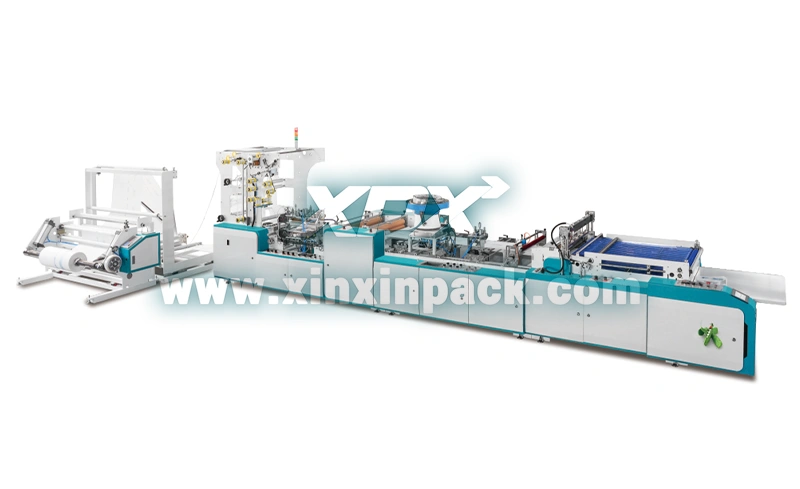
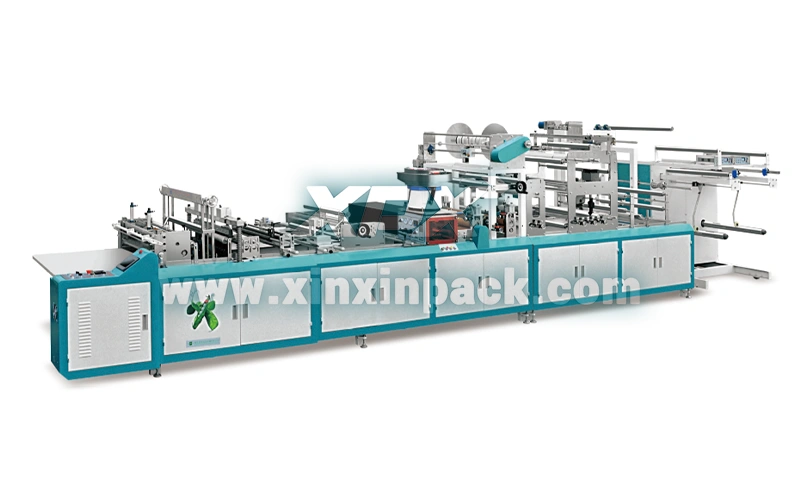
Integrated production lines
Maximising your return on investment