


 中文
 English
 Español

Direct answer. A viable small-scale zipper bag operation can start with as few as two functional stages: a film source and a zipper bag making machine. If LDPE zipper film is purchased from an external supplier, the minimum equipment set is one zipper-capable bag making machine plus supporting air and power. If film is blown in-house, a zipper film blowing machine enters the set, and the capital and footprint increase accordingly. Realistic output at this scale is governed less by the bag maker’s nameplate speed than by film supply continuity, zipper attachment stability, sealing window, and shift pattern. Buyers should size the line around the slowest stage, not the fastest.
Small-scale in zipper bag production is not a single machine category. It describes an operating envelope: limited capital, one or two shifts, a constrained floor area, and a product mix that may include several bag sizes rather than one high-volume SKU. Within that envelope, the first equipment decision is not which bag making machine to buy—it is whether to buy film or blow film.
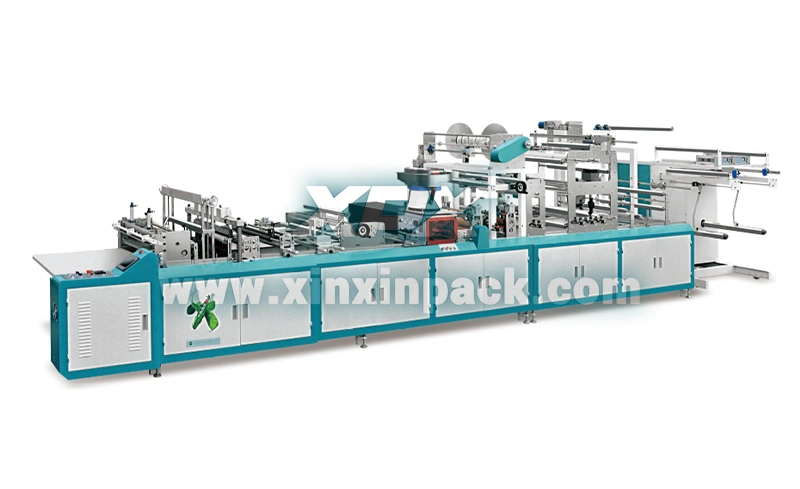
The functional minimum is a zipper bag making machine that can handle the purchased film’s thickness, width, and zipper profile. The machine needs stable tension control, a sealing system matched to LDPE or PE/PP film, and a cutting station that maintains bag length repeatability. Supporting equipment includes an air compressor, power distribution, and a film roll storage area. No blown film unit, no printing unit, no slitting line. This is the lowest-barrier entry point, but it ties film cost and film quality to an external supplier. The buyer’s control over thickness consistency, zipper profile design, and film width is limited to what the supplier offers. For a bag-making-only path, the relevant equipment category can be reviewed at the zipper bag making machine range, with attention to whether the model is rated for the purchased film’s thickness and zipper type.
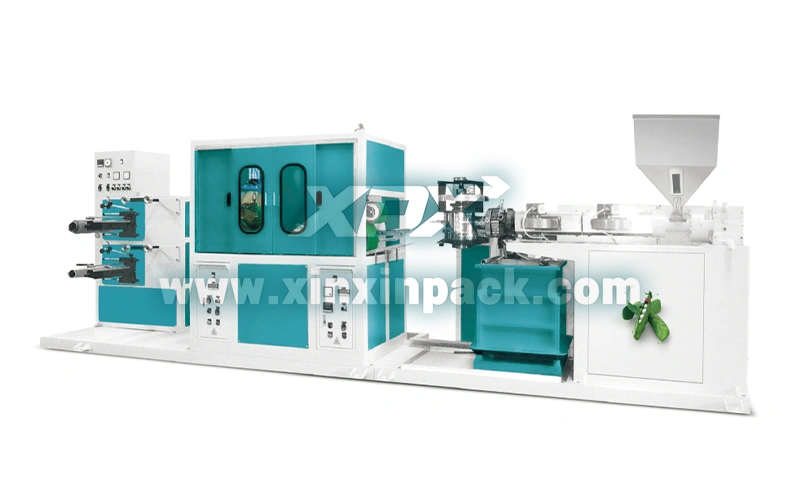
When the buyer adds a zipper film blowing machine, the equipment set becomes two core stages: film extrusion and bag making. The blowing machine must be configured for zipper-profile integration if the zipper is formed in-line with the film; otherwise a separate zipper profile extruder may be needed. Published specifications for LDPE zipper film blowing machines cover output ranges from approximately 35 kg/h to 70 kg/h depending on model and screw configuration, but these are extrusion-side figures and must be matched to downstream bag making consumption. The advantage is control over film thickness, width, and zipper profile; the trade-off is added capital, floor space, start-up scrap, and a second process to stabilize. Buyers evaluating this path should review the LDPE zipper film blowing configurations and confirm whether the model’s film width range aligns with the bag maker’s web width.
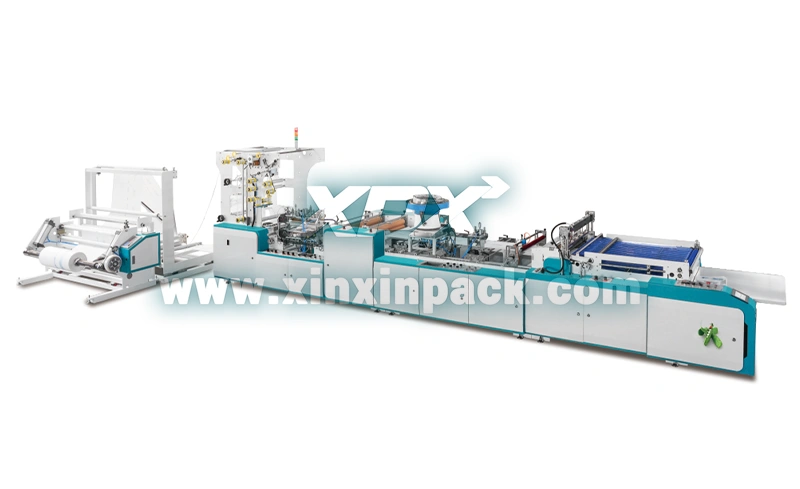
A two-stage minimum is technically sufficient to make saleable bags, but it may not be commercially sufficient for every product mix. If the buyer’s customers require printed bags, a printing stage enters the set—either as an inline flexo or gravure unit, or as an outsourced pre-printed film supply. If the buyer needs bags packed into cartons at the end of the line, a packing stage enters. Each added stage increases capital and coordination requirements, but it also removes an external dependency. The decision should be driven by the product specification and the buyer’s willingness to manage supplier interfaces, not by a preference for “complete” lines. The integrated line category at zipper bag production line solutions represents the other end of the spectrum: blowing, printing, bag making, and packing in one synchronized flow. It is not the starting point for most small-scale entries, but it is the reference architecture buyers should understand before deciding how much to externalize.
Output figures for zipper bag equipment appear in three different forms, and confusing them is one of the most common planning errors.
The first is extrusion output, expressed in kg/h for the blown film machine. The second is bag making speed, expressed in pieces per minute for the bag maker. The third is the effective line output, which is what a buyer can actually ship after accounting for changeovers, rejects, film supply interruptions, and operator pace. These three numbers are not interchangeable.
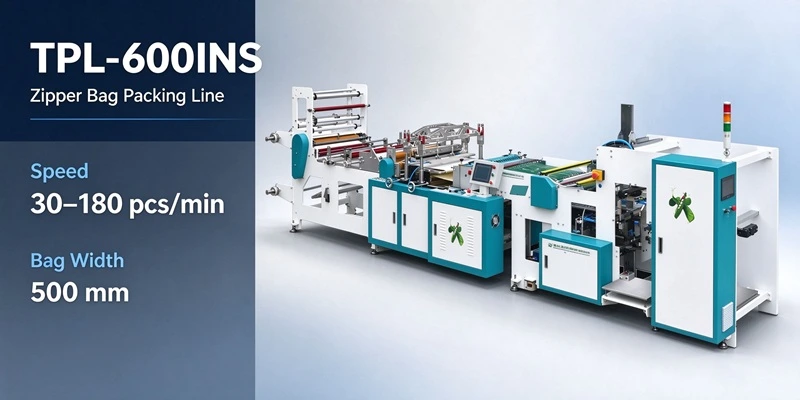
For small-scale planning, the bag making speed rating is often the most visible number but the least reliable basis for a production plan. Published speeds for zipper bag making machines can range from around 30 pcs/min to 180 pcs/min depending on model and configuration, while integrated lines may cite higher figures. However, as existing speed analysis on the same equipment category notes, sustainable LDPE zipper bag speeds are constrained by sealing window, film thickness, cooling capacity, and zipper attachment synchronization, and published ratings should always be confirmed for the buyer’s specific film thickness and bag dimensions. A line rated at a high piece-per-minute figure for a thin reference film may run substantially slower at the thicker film or larger bag size the buyer actually intends to produce.
A more practical planning method for small-scale operations is to work backward from the slowest stage. If the bag maker can sustain a certain piece rate, calculate the film consumption in kg/h at the target bag weight and thickness, then check whether the film source—external supplier or in-house blowing machine—can feed that consumption without frequent roll changes or stockouts. The smaller of the two determines the realistic line throughput.
| Stage | Bag-making-only setup | Blowing + bag making setup | What the buyer still depends on |
|---|---|---|---|
| Film supply | Purchased LDPE zipper film | In-house zipper film blowing | Film supplier quality / extrusion stability |
| Zipper profile | Integrated in purchased film | In-line forming or separate extruder | Profile tolerances and seal compatibility |
| Bag making | Zipper bag making machine | Zipper bag making machine | Sealing window and tension control |
| Printing (if required) | Outsourced pre-printed film | Inline or offline printing | Plate/cylinder cost and registration |
| Packing (if required) | Manual or simple collector | Optional automatic packing | Labor and carton handling |
| Check | Why it matters | What to confirm |
|---|---|---|
| Film thickness range | Speed and sealing window shift with thickness | Bag maker rated speed at your target micron |
| Bag width range | Web width and sealing bar length must cover the range | Machine’s minimum and maximum bag width |
| Zipper profile | In-line forming vs pre-made profile changes equipment | Whether the blowing machine or bag maker handles profile integration |
| Printing requirement | Adds a stage or forces pre-printed film purchase | Inline vs offline, flexo vs gravure, tooling cost per design |
| Shift pattern | Determines whether nameplate output is relevant | Annual operating hours and changeover frequency |
| Floor space and power | Two-stage vs integrated line changes infrastructure | Available power capacity, compressed air, floor loading |
| Maintenance capability | Semi-auto and automatic lines need different skill sets | Local technician access to PLC and sealing system diagnostics |
The first is sizing equipment by the bag maker’s highest quoted speed. The bag maker is rarely the bottleneck when film supply, zipper attachment, or downstream collection is included. The second is choosing an integrated line before proving the product-market fit. An integrated line concentrates capital and increases the cost of changing product direction; a staged configuration preserves the option to add stages as demand is validated. The third is treating purchased film as a permanent external dependency rather than a deliberate first-phase choice. Buying film is not a compromise; it is a valid small-scale configuration that shifts capital from extrusion to bag making and reduces the number of process variables the buyer must stabilize in the first year. The fourth is neglecting the zipper attachment interface. The zipper sealing step operates at a different thermal and tension condition from the main bag seal, and if the bag maker and film source are not specified together, the interface becomes the most frequent source of rejects.
The equipment scope should not be finalized from published specifications alone. The sealing window for the buyer’s actual LDPE grade, the zipper profile’s dimensional tolerance, and the bag maker’s sustained speed at the target thickness are all application-specific. Buyers should request confirmation of the bag maker’s speed at the specific film thickness and bag dimensions they intend to run, and should ask the film supplier or blowing machine manufacturer for the zipper profile specifications that the bag maker’s sealing system is designed to accept. For buyers moving toward a staged upgrade rather than a first installation, the operational differences between semi-automatic and integrated configurations are discussed in the existing analysis of what changes when a zipper bag line moves from semi-auto to automatic; that article addresses operator roles and integration effects that are outside the scope of a minimum-equipment decision.
Yes, if you purchase zipper-capable LDPE film from an external supplier. The bag making machine must be rated for the purchased film’s thickness and zipper profile. This is the lowest-capital entry configuration, but film quality and supply continuity remain outside your control.
There is no single figure. Extrusion output for small LDPE zipper film machines is commonly quoted in the range of tens of kilograms per hour, while bag making speed depends on thickness, bag size, and zipper attachment conditions. The realistic line output is the smaller of film supply capacity and bag maker sustained speed, after rejects and changeovers. Buyers should confirm speed at their target film thickness rather than relying on a reference rating.
Not necessarily. If your customers accept unprinted bags, printing is not part of the minimum set. If printing is required, you can either outsource pre-printed zipper film or add a printing stage. Adding printing changes the capital and tooling profile, so it should be treated as a separate product-specification decision rather than assumed into the initial equipment scope.
Not automatically. An integrated line offers process control and reduced material handling, but it concentrates capital and reduces flexibility to change product direction. A staged configuration—purchased film plus bag making, or blowing plus bag making—is often more appropriate while demand and product mix are still being validated.
The interfaces between stages, not the individual machine ratings. Film width vs bag maker web width, zipper profile tolerance vs sealing system, and film output vs bag maker consumption are the points where mismatches appear. Each interface should be confirmed with specifications from both sides before purchase.
The minimum equipment set for small-scale zipper bag production is a film source plus a zipper bag making machine. Whether the film source is an external supplier or an in-house blowing machine is the first cost-and-control decision, and it should be made against the product specification, not against a preference for a complete line. Realistic output is set by the slowest stage after film supply, zipper attachment, and changeover losses are accounted for—not by the highest nameplate speed in the quotation. Avoid finalizing the scope without confirming bag maker speed at your target thickness and the zipper profile compatibility between film source and sealing system. For buyers who want to compare how a staged configuration maps to a fuller production flow, the zipper bag production line overview provides the reference architecture; the right next step is to define your bag dimensions, film thickness, and shift pattern before reviewing configurations.

Environmentally friendly materials
Integrated production lines
Maximising your return on investment