


 中文
 English
 Español

Zipper bag quality control before shipping should cover film condition, zipper alignment, closure performance, heat-seal integrity, bag dimensions, visual appearance, and finished-product consistency. These checks help manufacturers identify defects that may affect sealing, usability, appearance, or packaging performance. Each inspection should follow the agreed product specification, material requirements, and customer acceptance criteria rather than relying on visual judgment alone.
A zipper bag may look acceptable at first glance but still have functional problems. A zipper that does not close completely, a weak side seal, or inconsistent dimensions can affect how the bag performs during filling, storage, transportation, and repeated use.
Some defects originate during film production, while others develop during zipper attachment, heat sealing, cutting, or subsequent handling.
Pre-shipment inspection provides a final opportunity to identify nonconforming products before they leave the factory. It should not replace in-process quality monitoring. Instead, it verifies whether the finished bags meet the requirements agreed upon by the manufacturer and buyer.
For an effective inspection process, define three things before testing:
Product specification: Material type, thickness, bag dimensions, zipper structure, printing requirements, and seal design.
Acceptance criteria: Permitted dimensional variation, acceptable appearance, closure performance, and sealing requirements.
Inspection method: Visual examination, dimensional measurement, functional testing, and laboratory testing where necessary.
The film is the foundation of the finished zipper bag. Variations in thickness or surface condition may affect bag strength, appearance, sealing behavior, and processing consistency.
Inspect the following:
Film thickness at specified measurement locations.
Visible wrinkles, scratches, pinholes, and surface contamination.
Uneven transparency or discoloration.
Gel particles, black spots, or other visible inclusions.
Material consistency across the bag surface.
A thickness gauge can be used to measure film thickness at defined locations. Measurements should be taken using a consistent method, with the number and position of sampling points specified in the inspection plan.
For bags manufactured from LDPE, PP, or composite films, acceptance limits should be based on the actual material specification. Different structures should not automatically share the same thickness tolerance.
Why it matters: Uneven film thickness may create inconsistent sealing conditions. Surface contamination or damage can also affect the finished bag's appearance and functional performance.
Zipper alignment is one of the most important inspection points because the zipper determines how the bag opens and closes.
A zipper that is positioned unevenly or attached improperly may cause difficulty during use and create weak areas around the attachment interface.
Check these details:
Zipper position relative to the bag opening.
Alignment across the full bag width.
Consistency of the zipper attachment line.
Visible gaps, folds, or incomplete bonding.
Zipper deformation or damaged profiles.
Consistency between the left and right sides.
Use a ruler, measuring fixture, or suitable inspection gauge to compare zipper placement with the approved product drawing.
Pay particular attention to the transition between the zipper attachment area and the surrounding film. Wrinkles or uneven bonding in this area may indicate problems with material tension, positioning, or the attachment process.
Why it matters: A visually acceptable zipper profile does not necessarily mean the attachment is secure. Both alignment and bonding quality should be evaluated.
A zipper bag must open and close as intended. Therefore, functional testing is necessary even when the zipper looks normal.
During inspection, check:
Whether the zipper can be opened without unusual resistance.
Whether both zipper tracks engage properly.
Whether the closure remains connected along the intended length.
Whether the zipper separates unintentionally during normal handling.
Whether repeated opening and closing causes visible damage.
A practical inspection method is to select samples from the production batch and perform repeated opening and closing operations according to an agreed test procedure.
Record any incomplete engagement, local separation, profile damage, or abnormal resistance.
The number of cycles, operating method, and acceptance criteria should be established according to the intended application. A general visual inspection cannot replace a defined functional test.
Why it matters: Zipper closure defects may not become apparent until the customer begins using the bag. Functional testing helps identify these problems before shipment.
Heat sealing creates the joints that hold the bag structure together. Weak, uneven, or contaminated seals may lead to leakage, tearing, or premature product failure.
Inspect the following areas:
Bottom seal.
Side seals.
Zipper attachment seals.
Corner sealing areas.
Any additional sealing or reinforcement sections.
Look for:
Incomplete sealing.
Burn marks or excessive heat damage.
Wrinkles inside the sealing area.
Contamination trapped between sealing surfaces.
Uneven seal width.
Visible channels or gaps.
For quantitative evaluation, a tensile testing machine can be used to measure seal strength.
ASTM F88/F88M is a recognized test method for measuring the strength of seals in flexible barrier materials. It measures the force required to separate a test specimen containing a seal and identifies the failure mode.
However, a seal strength result should be interpreted according to the material, seal configuration, test method, and product specification. There is no single universal seal-strength limit suitable for every zipper bag.
Why it matters: A seal may appear closed but still have insufficient strength. Quantitative testing provides more objective evidence of sealing performance than visual inspection alone.
Dimensional consistency is important for filling, packing, stacking, and downstream packaging operations.
Inspect the main dimensions specified in the product drawing:
Overall bag width.
Overall bag length.
Zipper position.
Opening width.
Bottom or side seal width.
Cutting edge alignment.
Any special features such as gussets, holes, or handles.
Use calibrated measuring tools and follow a consistent measurement procedure.
For example, measure bag width at the same reference position for every sample. When measuring bag length, define whether the measurement includes or excludes the sealing area.
Record actual measurements and compare them with the approved specification.
| Inspection item | Recommended method | What to identify |
|---|---|---|
| Bag width | Ruler or digital caliper | Width deviation |
| Bag length | Ruler or measuring fixture | Length inconsistency |
| Zipper position | Measuring gauge | Incorrect placement |
| Seal width | Caliper or visual gauge | Uneven sealing area |
| Cutting edge | Visual and dimensional check | Skewed or irregular cuts |
Why it matters: Dimensional variation can affect automated filling, packaging compatibility, and the finished bag's appearance.
Appearance inspection should cover both the printed surface and the physical condition of the finished bag.
For printed zipper bags, check:
Color consistency against the approved sample.
Printing registration and alignment.
Missing or incomplete printing.
Smudges, scratches, and ink contamination.
Readability of text and graphics.
Printing position relative to the zipper and cutting edges.
For unprinted bags, focus on:
Surface cleanliness.
Transparency consistency.
Wrinkles and folds.
Scratches and punctures.
Burrs or irregular cutting edges.
Foreign particles and visible contamination.
Inspect bags under suitable lighting conditions. Use an approved reference sample when evaluating color, appearance, and printing position.
Acceptance criteria should distinguish between cosmetic defects and defects that may affect function or product safety.
Why it matters: Appearance problems can lead to customer complaints even when the bag remains mechanically functional.
The final inspection should evaluate the finished bag as a complete product rather than examining individual components separately.
Depending on the application, testing may include:
Opening and closing tests.
Seal-strength testing.
Leak or integrity testing.
Visual examination under specified conditions.
Dimensional verification.
Handling or load tests where applicable.
For packages that require internal pressure resistance, ASTM F1140/F1140M provides test methods for evaluating the internal pressurization failure resistance of unrestrained packages.
Its burst and creep methods evaluate package resistance under specified internal pressure conditions. However, these tests do not necessarily correlate directly with seal strength measured using ASTM F88.
The appropriate test should be selected according to the intended use of the bag. A leak test, seal-strength test, and zipper functionality test measure different aspects of product performance and should not be treated as interchangeable.
For batch inspection, establish a documented sampling plan. The sample quantity, inspection frequency, acceptance number, and rejection criteria should be determined by the buyer's requirements, applicable standards, and product risk.
If a critical defect is found, isolate the affected batch or production interval, investigate the cause, and determine whether additional inspection is required before release.
Why it matters: A finished-bag inspection verifies that the combined film, zipper, sealing, cutting, and printing processes have produced a product that meets the agreed requirements.
The following table summarizes the seven inspection points and the main defects to identify.
| Inspection point | Main defects | Suggested inspection method |
|---|---|---|
| Film thickness and surface | Thickness variation, wrinkles, pinholes, contamination | Thickness gauge and visual inspection |
| Zipper position and attachment | Misalignment, gaps, incomplete bonding | Measuring gauge and visual inspection |
| Zipper closure performance | Incomplete engagement, separation, damaged profile | Repeated opening and closing |
| Heat-seal integrity | Weak seals, wrinkles, burn marks, contamination | Visual inspection and seal-strength testing |
| Bag dimensions | Incorrect width, length, or seal position | Caliper, ruler, or measuring fixture |
| Printing and appearance | Color deviation, misregistration, scratches, contamination | Visual comparison with approved sample |
| Finished-bag performance | Leakage, structural failure, inconsistent function | Application-specific sampling and functional tests |
A consistent inspection process is more reliable than checking products randomly without documented criteria.
The following procedure can be adapted to different zipper bag types.
Before inspection begins, obtain the latest approved drawing, material specification, sample, and customer quality requirements.
Confirm that the inspection team is using the correct product version.
Separate the inspection items into three groups:
Critical characteristics: Defects that may create safety, contamination, or serious functional risks.
Major characteristics: Defects that affect product functionality, dimensions, sealing, or customer acceptance.
Minor characteristics: Cosmetic issues that do not affect the intended function but may still fall outside the approved appearance requirements.
The classification should be agreed upon with the buyer rather than assumed by the inspector.
Define the batch size, sample selection method, inspection frequency, and acceptance criteria before testing.
For larger batches, an agreed statistical sampling plan may be more practical than inspecting every bag manually.
Where a defect could create a significant risk, additional or more intensive testing may be required.
A useful quality inspection record should include:
Product name and specification.
Production batch or lot number.
Inspection date.
Material information.
Sampling quantity.
Inspection method.
Measured results.
Defect description and quantity.
Pass or fail decision.
Inspector identification.
Corrective action, if required.
Keeping these records makes it easier to trace recurring problems and compare inspection results between production batches.
Products that meet the agreed acceptance criteria can proceed to final packing and shipment.
If defects exceed the permitted limits, hold the affected products and investigate the source of the problem.
Possible corrective actions include sorting, reworking where permitted, additional testing, or rejecting the affected batch.
Although pre-shipment inspection determines whether finished products meet their requirements, product quality is also influenced by the equipment and processes used during production.
Several factors deserve attention:
Film tension control: Unstable film transport may contribute to wrinkles, registration problems, and dimensional variation.
Zipper attachment accuracy: Incorrect zipper positioning or inconsistent attachment conditions may affect closure performance and the appearance of the finished bag.
Heat-sealing control: Temperature, pressure, and sealing time must be matched to the material and bag structure.
Cutting accuracy: Inconsistent cutting positions may create dimensional differences and irregular edges.
These factors explain why quality inspection and production process control should work together.
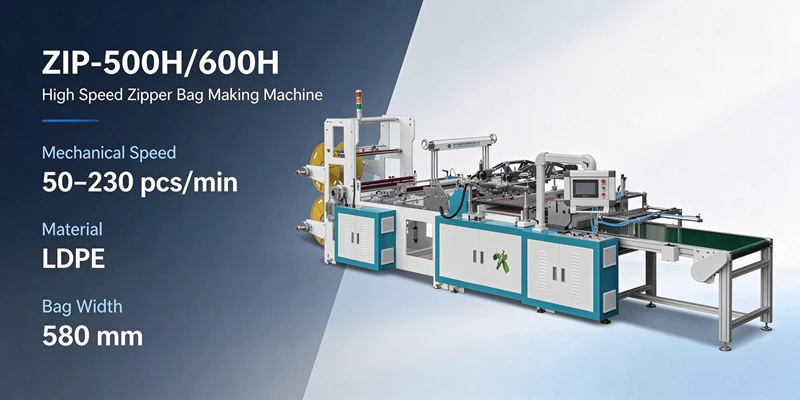
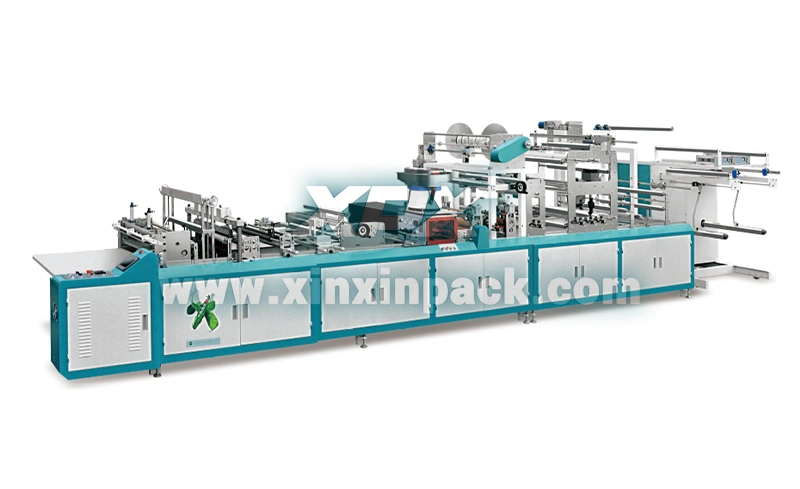
For manufacturers reviewing their production setup, Xinxin provides different configurations for materials and bag-making applications. You can explore the available bag-making equipment for different zipper bag structures to understand the relevant processing options.
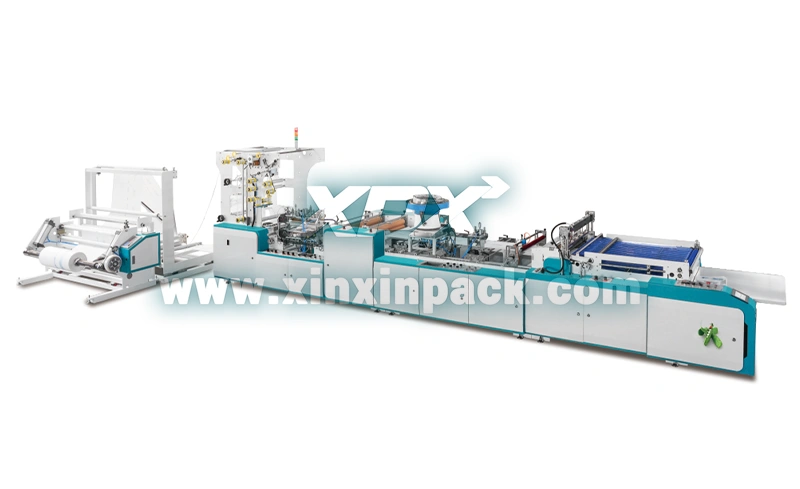
For operations that combine bag making with downstream handling and packing, the automatic production workflow for zipper bags provides additional information about integrated production stages.
Common defects include zipper misalignment, incomplete zipper engagement, weak heat seals, film wrinkles, pinholes, dimensional variation, printing defects, and contamination. The actual defect categories depend on the bag structure and application.
Open and close the zipper according to a defined functional test procedure. Check whether the tracks engage along the intended length and whether any local separation or profile damage occurs. The number of cycles and acceptance criteria should be agreed upon before testing.
Visual inspection can identify obvious gaps, wrinkles, and contamination. For quantitative assessment, a tensile testing machine can measure seal strength using an appropriate method such as ASTM F88/F88M. The acceptance limit should follow the approved product specification.
No. Visual inspection is useful for identifying surface defects, misalignment, and visible sealing problems, but it cannot reliably measure seal strength or confirm all functional characteristics. Functional and quantitative testing may also be required.
Inspection frequency depends on production volume, process stability, material changes, customer requirements, and the risk associated with the application. Manufacturers should combine in-process checks with documented batch or pre-shipment inspections.
A report should include the product specification, batch number, sampling method, inspection items, test methods, measured results, defect records, acceptance decision, and corrective actions where necessary.
Reliable zipper bag quality control requires more than checking whether the finished bags look acceptable. Film condition, zipper attachment, closure performance, heat-seal integrity, dimensions, printing, and finished-product functionality should all be evaluated using clearly defined inspection methods.
The most important step is to establish measurable acceptance criteria before production and apply consistent inspection procedures before shipment.
When recurring defects are identified, manufacturers should also review the relevant production stages rather than relying only on final sorting.
For companies evaluating improvements to their production process, reviewing the available zipper bag-making configurations or integrated automatic production solutions can help clarify which equipment arrangements match their material and product requirements.
Technical reference: ASTM International, ASTM F88/F88M — Standard Test Method for Seal Strength of Flexible Barrier Materials; ASTM F1140/F1140M — Standard Test Methods for Internal Pressurization Failure Resistance of Unrestrained Packages. Always confirm the applicable standard edition and customer-specific requirements before testing.
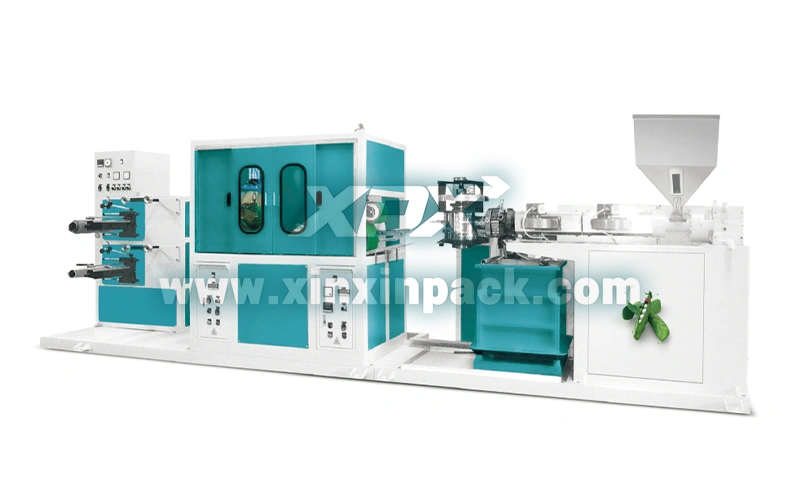

Environmentally friendly materials
Integrated production lines
Maximising your return on investment