


 中文
 English
 Español

The real cost of a zipper bag production line is not the quotation price alone. Over three years, equipment, energy, labor, material waste, maintenance, tooling, and unplanned downtime together determine whether a line is economical for your factory. The heaviest cost drivers often sit outside the purchase order—so buyers should evaluate the line as an integrated production system, not a collection of individual machines.
When a buyer compares zipper bag production line options, the first number on the table is usually the equipment quotation. That number matters, but it describes only the capital entry point. A production line operates for years, and its economics are shaped by how much electricity it draws per kilogram of film, how many operators it requires per shift, how much film and finished bag material is lost to startup, thickness variation, and changeover, how frequently wear parts are replaced, and how long the line stays down when something drifts out of specification.
A 3-year TCO view does not replace the quotation. It puts the quotation in context. The goal is to compare offers on the same cost basis: what you pay to acquire the line, what you pay to run it, and what you pay when it does not run as expected.
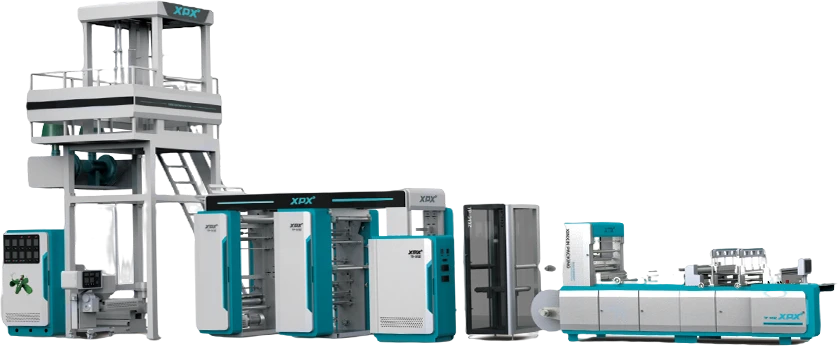
A practical TCO model for a zipper bag line can be organized into seven blocks. The boundaries overlap in real production, but separating them helps buyers ask better questions during technical review.
Equipment cost is the most visible block. For a fully automatic line, it may include film blowing, printing, slitting, bag making, bundling, bagging, and boxing as an integrated system. For a semi-automatic composite line, the buyer may use existing PP/PE films and avoid blown film equipment investment altogether, which changes the capital profile.
Tooling belongs here too. If the line includes printing, the choice between flexographic and gravure printing changes the upfront tooling outlay: photopolymer plates for flexo carry a lower per-job tooling cost than engraved gravure cylinders, though the per-unit economics shift with run length and design change frequency. Installation, commissioning, compressed air, power distribution, and floor preparation are also capital-adjacent costs that should be confirmed before comparing quotations.
Blown film extrusion and bag making are continuous processes, so energy consumption accumulates with operating hours and output. Published specifications for the ZIP-500L high-speed LDPE zipper bag production line list a power rating of 35 kW. That figure is a connected load, not a guaranteed average draw; actual consumption depends on line speed, film thickness, cooling configuration, and the proportion of time the line runs at full capacity.
Energy cost per finished bag is therefore a function of both tariff and utilization. A line that runs at a high sustained speed with stable film thickness generally spreads its fixed energy load across more saleable output. A line that frequently stops, restarts, or runs at low utilization may consume a higher share of energy per saleable bag. Buyers should ask for the rated power of each module—extruder, chiller, printing, bag making, packing—and estimate annual kWh under their expected shift pattern, rather than relying on a single “power” number for the whole line.
Labor cost is one of the clearest structural differences between semi-automatic and fully automatic configurations. Industry guides suggest that semi-automatic zipper bag machines may require two to three workers for manual feeding and stacking, depending on the layout. A fully automatic line shifts the operator role toward monitoring, material loading, and quality checks, with published descriptions indicating one to two operators for line supervision.
The TCO implication is not only headcount. It also includes training and skill profile. Semi-automatic operation rewards hands-on experience with individual machines; automatic line operation rewards system-level understanding—reading PLC data, interpreting alarm codes, and coordinating material supply. A factory with a maintenance team experienced in relay logic may face a different training and external-support cost profile than one already comfortable with servo and PLC systems.
Material waste is often the largest controllable operating cost that does not appear as a separate invoice line. In blown film extrusion, thickness variation is a leading waste source: when film thickness fluctuates, operators may run heavier than the nominal specification to ensure that no section falls below minimum, which converts resin into predictable, ongoing waste. Other categories include bubble instability, gel particles, startup and changeover scrap, and edge trim.
For a zipper bag line, waste is compounded because film quality affects downstream zipper sealing. Gauge variation or surface irregularity can compromise zipper attachment, leading to bag rejects even when the film appears acceptable at the winder. Buyers estimating TCO should ask how the line controls thickness variation, how startup scrap is segregated and reprocessed, and what the expected waste rate is under their specific film thickness and bag design—then calculate resin cost against saleable output, not against total extruded weight.
Maintenance cost has two layers: planned preventive maintenance and unplanned repair. Planned maintenance includes filters, seals, belts, bearings, heating elements, and calibration checks. Unplanned repair includes production interruptions caused by component failure, sensor drift, or sealing system degradation.
Published machine features can inform the maintenance profile but cannot guarantee a specific annual cost. For example, water-cooled and air-cooled systems differ in cooling efficiency and may affect thermal stability and component wear patterns. The practical TCO step is to ask the supplier for a recommended spare-parts list, the expected replacement interval for wear items, and the local availability of those parts. A lower purchase price can be offset over three years if critical spares are long-lead or if technical support response time is slow.
Downtime is not a direct invoice, but it multiplies every other cost block. If a line stops because of film bubble instability, zipper misalignment, sealing drift, or a downstream packing jam, the factory still bears labor, depreciation, and overhead while producing no saleable output. Changeover between bag sizes, film thicknesses, or print designs adds a different kind of downtime: it consumes operating hours without producing continuous output.
Buyers should therefore treat “speed” as an operating variable, not a headline. Published speed ratings are reference points that must be confirmed for the actual film thickness, bag dimensions, zipper profile, and printing configuration. For LDPE zipper bag production, sustainable speeds are constrained by sealing temperature–dwell time limits and cooling capacity, not by the machine’s nameplate alone. A TCO comparison that ignores the interaction between speed, quality, and changeover will systematically underestimate the cost of the slower or less stable option.
If the line includes in-line or separate printing, tooling amortization belongs in the 3-year cost picture. Flexographic printing uses photopolymer plates with lower per-job tooling cost and faster changeover; gravure uses engraved cylinders with higher upfront cost but lower per-unit cost at very high volumes and long runs. The relevant TCO question is not “which printing method is cheaper,” but “how many design changes, how many SKUs, and what run length will this line actually see over three years.” Short or medium runs with frequent design changes usually favor flexo from a tooling-amortization perspective; long, stable runs can change the economics.
| Cost block | Main driver | What the buyer can estimate before purchase | What must be confirmed with the supplier / in testing |
|---|---|---|---|
| Equipment and installation | Line configuration, automation level, printing module, packing module | Quotation breakdown by module; site and utility requirements | Included scope, commissioning responsibility, training duration |
| Energy | Connected load, shift pattern, line utilization, film thickness | Annual operating hours × module power ratings × local tariff | Rated power per module; typical average draw under stated conditions |
| Labor | Automation level, operator-to-line ratio, skill requirements | Shift pattern × headcount × fully loaded labor rate | Recommended operator count per shift; training scope |
| Material waste | Thickness control, startup procedure, changeover frequency, film/zipper compatibility | Resin price × estimated waste rate under own product mix | Expected waste rate by film thickness and bag design; reprocessing limits |
| Maintenance and spares | Wear-part quality, cooling configuration, local service support | Recommended spare-parts budget range | Critical spares list; replacement intervals; response time |
| Downtime and quality | Speed–quality window, changeover time, diagnostic capability | Cost of one hour of lost saleable output | Sustainable speed for actual product; changeover procedure and time |
| Printing tooling | Flexo vs gravure, SKU count, design change frequency, run length | Tooling cost per design change × expected changes per year | Plate/cylinder cost, changeover time, minimum run economics |
No. A lower quotation can carry higher operating costs through energy inefficiency, higher waste rates, slower changeover, or long spare-parts lead times. TCO comparison requires the same product mix, shift pattern, and film specification across all options.
Energy share varies with tariff, line configuration, and utilization. Blown film extrusion is continuous, so a line that runs at stable high output spreads its connected load across more saleable bags. Buyers should estimate kWh from module power ratings and operating hours rather than rely on a single percentage.
Automatic lines can shift operators from hands-on production to monitoring and system supervision, and published descriptions suggest fewer operators per shift than semi-automatic configurations. However, the TCO effect also depends on training, local labor rates, and whether the existing maintenance team can support PLC and servo systems.
Waste is a resin cost that recurs with every production run. Thickness variation, startup scrap, bubble instability, and edge trim all convert purchased resin into non-saleable output. The TCO estimate should multiply expected waste rate by resin price and by annual output, then compare that figure across line options.
Yes, if the line includes printing or if printed film is part of the product. Flexo plates and gravure cylinders have different upfront and per-unit cost profiles, and the economic choice depends on run length and design change frequency. Omitting tooling amortization can make a high-SKU, short-run operation look cheaper than it is.
The most important TCO judgment is not which line has the lowest quotation, but which line’s cost structure matches your actual product mix, shift pattern, and quality requirements. The cost blocks most often underestimated are material waste under real film thickness, downtime caused by speed–quality trade-offs, and the labor skill transition from semi-automatic to automatic operation. Before committing, confirm module-level power ratings, recommended operator counts, expected waste rates, spare-parts intervals, and sustainable speed for your specific bag—not the reference specification. You can review the zipper bag production line configurations and the high-speed LDPE line specifications, then discuss your material and production requirements with the supplier so the TCO model reflects your conditions rather than generic assumptions.
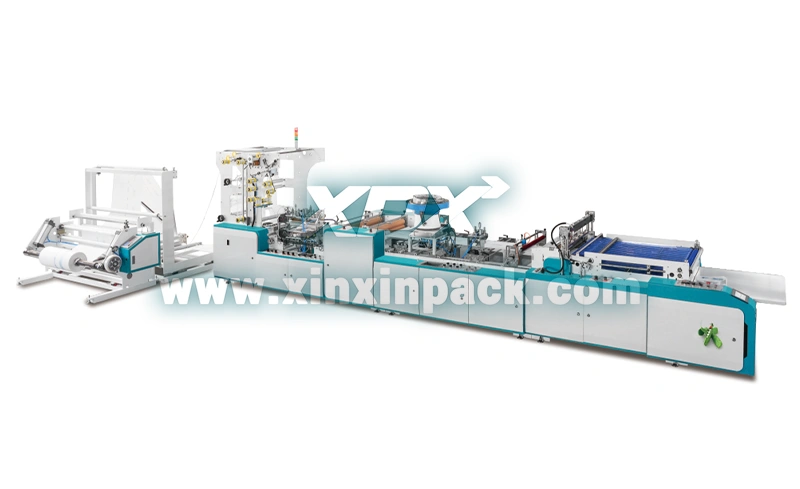

Environmentally friendly materials
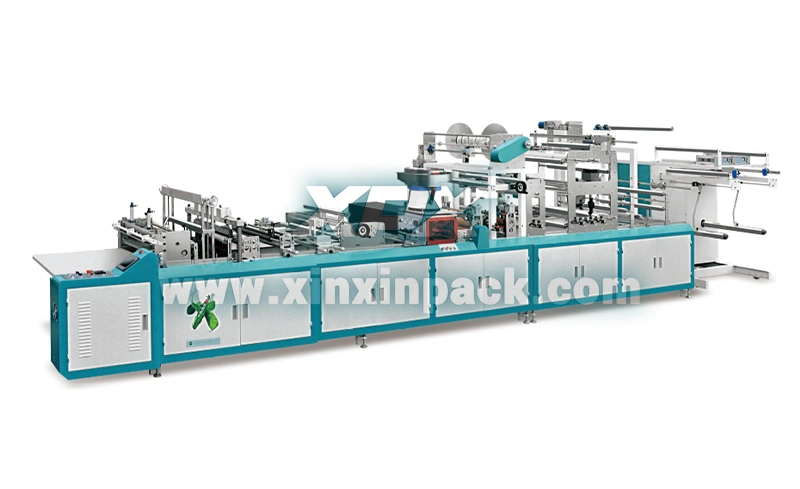
Integrated production lines
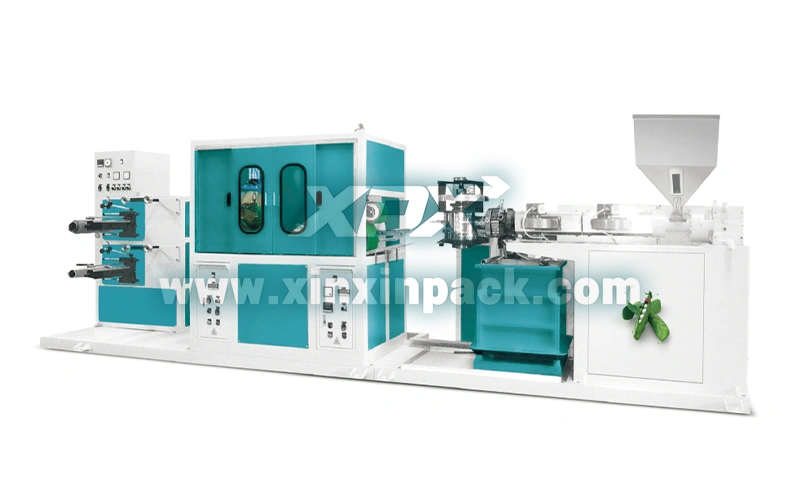
Maximising your return on investment